

HPD Cockroach Violation Remediation Costs and Budget Planning for NYC Property Owners
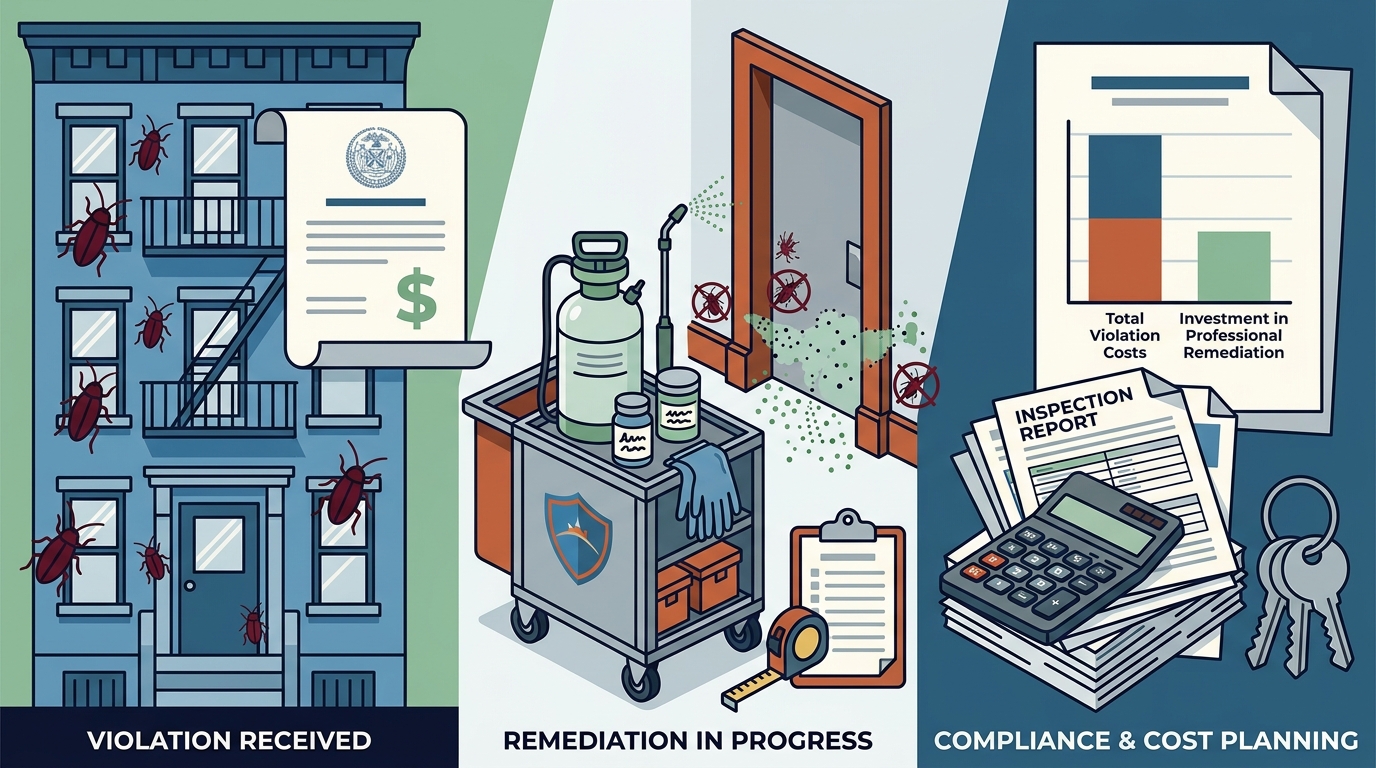
Cockroach infestations are not merely a nuisance in New York City; they are a critical regulatory liability that can trigger immediate financial penalties and operational shutdowns. According to recent data from the NYC Department of Housing Preservation and Development (HPD), properties with documented pest violations face an average increase in tenant turnover rates by 15 percent within a single fiscal year. This statistic underscores the urgent need for property owners to understand the true cost of remediation beyond simple extermination fees. Budget planning for HPD cockroach violations must account for inspection fees, treatment protocols, structural repairs, and potential legal defenses. This guide details the financial landscape of pest control compliance for NYC commercial and residential assets. (Broadway Pest Services Urban)
Understanding HPD Cockroach Violations
HPD cockroach violations are formal citations issued by the NYC Department of Housing Preservation and Development when a property fails to meet the Minimum Housing Code standards for pest control. These violations are not optional; they are legally binding orders that require immediate action. The cost of ignoring these citations extends far beyond the initial fine. Properties with active HPD violations often face increased insurance premiums, difficulty in securing commercial loans, and significant reputational damage in the competitive NYC rental market. (Broadway Pest Services Urban)
For commercial property managers, the stakes are even higher. A single cockroach violation can trigger a cascade of regulatory audits from the Department of Health (DOH) if the property includes food service areas. The interconnected nature of these regulations means that a pest issue in one sector can jeopardize the entire building's operational license. Understanding the specific code sections involved is the first step in accurate budget forecasting.
Direct Remediation Costs and Service Tiers
The most immediate financial impact of a cockroach infestation is the cost of professional extermination services. Generic pest control methods are often insufficient for NYC properties, which require Integrated Pest Management (IPM) protocols tailored to dense urban environments. Broadway Pest Services, an independently owned operator since 1970, provides specialized IPM programs that address the root causes of infestations rather than just the symptoms.
Remediation costs vary based on the severity of the infestation and the size of the property. For a standard residential unit, initial treatment may range from $300 to $600. However, for large commercial buildings or multi-tenant complexes, costs can escalate significantly. The following table outlines typical service tiers for commercial remediation.
| Service Tier | Scope of Work | Estimated Cost Range | Compliance Outcome |
|---|---|---|---|
| Emergency Response | Same-day inspection and targeted treatment for acute infestations. | $500 - $1,200 | Immediate hazard mitigation |
| IPM Program (Monthly) | Quarterly inspections, baiting, and monitoring for ongoing prevention. | $150 - $400 per visit | DOH/HPD compliance maintenance |
| Structural Exclusion | Sealing entry points, gap filling, and perimeter treatments. | $2,000 - $10,000+ | Long-term prevention |
| Post-Treatment Verification | Follow-up inspections to certify clearance for HPD. | $250 - $500 | Violation dismissal |
Investing in a comprehensive IPM program is often more cost-effective than reacting to violations. Properties with documented IPM logs are better positioned to defend against frivolous tenant complaints and reduce the frequency of repeat infestations. Broadway Pest Services offers 24/7 service logs and digital documentation that serve as critical evidence in any HPD proceeding.
Structural Repair and Exclusion Expenses
Cockroaches thrive in environments with accessible food, water, and shelter. In NYC buildings, this often means exploiting tiny cracks in foundations, gaps around utility lines, and poorly sealed windows. Remediation costs must include structural repairs to eliminate these entry points. This process, known as exclusion, is a one-time investment that provides long-term protection.
Exclusion work can be labor-intensive and requires specialized knowledge of building materials. For example, steel wool and copper mesh are often used to seal gaps around pipes, while expanding foam is used for larger voids. The cost of these materials is relatively low, but the labor costs can be high due to the precision required. Property owners should budget for a thorough structural audit alongside their pest control contract.
Additionally, moisture control is a critical component of exclusion. Cockroaches require water to survive, and leaky pipes or poor ventilation can create ideal breeding grounds. Addressing these moisture issues may involve plumbing repairs or HVAC upgrades, which can add thousands to the total remediation budget. However, these repairs are essential for preventing future infestations and maintaining the structural integrity of the building.
Legal and Compliance Defense Fees
When an HPD violation is issued, property owners often face legal challenges from tenants or regulatory bodies. The cost of defending against these claims can be substantial. Legal fees for housing court proceedings can range from $2,000 to $10,000 or more, depending on the complexity of the case. Furthermore, if the violation leads to a rent abatement or constructive eviction claim, the financial liability can be even greater.
Compliance defense also involves navigating the bureaucratic processes of HPD and the Department of Buildings (DOB). This includes filing necessary paperwork, attending hearings, and ensuring that all remediation steps are documented and certified. Property management companies often charge additional fees for this administrative burden, which can add $500 to $2,000 to the total cost.
Prevention is the most effective legal strategy. By maintaining rigorous pest control logs and addressing issues proactively, property owners can demonstrate due diligence in any legal proceeding. This proactive approach not only reduces legal costs but also helps maintain positive tenant relationships and property value.
Strategic Budget Planning for Property Owners
Effective budget planning for HPD cockroach violations requires a holistic view of property management costs. Property owners should allocate a specific percentage of their operating budget to pest control, typically between 1 and 3 percent of annual revenue. This allocation should cover routine inspections, emergency treatments, and structural maintenance.
Consider the long-term ROI of preventive measures. While emergency response services are necessary, they are often more expensive per visit than scheduled IPM programs. By investing in regular maintenance, property owners can reduce the frequency of emergencies and lower overall costs. Additionally, maintaining a green fleet and using eco-friendly products can enhance the property's marketability and appeal to environmentally conscious tenants.
Finally, property owners should establish relationships with reliable, certified pest control providers. Independent operators like Broadway Pest Services offer consistent service quality and accountability that large, rolled-up companies may lack. Having a trusted partner ensures that compliance issues are handled efficiently and professionally, minimizing disruption and cost.
Key Takeaways
- HPD violations carry significant financial risks, including fines, legal fees, and increased tenant turnover rates that can exceed 15 percent annually.
- Direct remediation costs vary widely, with emergency responses costing $500 to $1,200 and comprehensive IPM programs requiring ongoing monthly investments.
- Structural exclusion is a critical budget item, as sealing entry points and controlling moisture are essential for long-term prevention and compliance.
- Legal defense fees can escalate quickly, often ranging from $2,000 to $10,000 or more for housing court proceedings and compliance filings.
- Preventive IPM programs offer better ROI than reactive extermination, reducing the frequency of emergencies and maintaining DOH/HPD compliance.
- Documentation is vital for legal defense, with 24/7 service logs and digital records serving as key evidence in regulatory proceedings.
- Independent operators provide consistent accountability, ensuring that service standards are maintained without the variability of large corporate rollups.
Frequently Asked Questions
What is the average cost of an HPD cockroach violation fine?
HPD fines for cockroach violations can range from $500 to $2,000 per violation, depending on the severity and duration of the infestation. However, the total cost often includes additional expenses for remediation and legal defense.
How long does it take to remediate a cockroach infestation?
Remediation timelines vary based on the severity of the infestation. Emergency responses can begin within 24 hours, but complete eradication and HPD clearance may take several weeks of consistent IPM treatment and follow-up inspections.
Can I handle cockroach violations myself?
While DIY methods may reduce immediate costs, they often fail to address the root causes of infestations and may not satisfy HPD compliance requirements. Professional IPM programs are necessary for long-term success and legal protection.
What is Integrated Pest Management (IPM)?
IPM is a comprehensive approach to pest control that combines biological, cultural, physical, and chemical tools to manage pests in an environmentally sensitive and cost-effective way. It focuses on long-term prevention rather than just immediate eradication.
How does pest control affect property value in NYC?
Properties with documented pest control histories and no active HPD violations command higher rents and attract more qualified tenants. Conversely, properties with a history of infestations may face decreased market value and higher insurance premiums.
What are the requirements for commercial food service pest control?
Commercial food service establishments must adhere to strict DOH and FDA regulations, including regular inspections, detailed service logs, and immediate response to any pest activity. Failure to comply can result in immediate closure and significant fines.
Why is structural exclusion important for pest control?
Structural exclusion involves sealing entry points to prevent pests from entering the building. This is a critical component of IPM because it addresses the physical access that pests use to infest a property, providing long-term protection that treatments alone cannot achieve.
Secure Your Property Compliance
Do not wait for an HPD violation to impact your bottom line. Proactive budget planning and strategic pest control are essential for protecting your NYC property investment. Broadway Pest Services offers specialized IPM programs tailored to the unique challenges of New York City commercial and residential properties. Deploy a free assessment today to secure your property's compliance and peace of mind. Visit Broadway Pest Services to schedule your consultation.