

Preventing rodent infestations in commercial NYC restaurant kitchens requires a multi-layered defense strategy combining structural sealing, strict waste management, and rigorous sanitation protocols. Broadway Pest Services provides the tactical expertise needed to secure your facility against these persistent pests. This guide covers the essential steps to protect your license, reputation, and tenants from rodent threats. For additional details, review the Just a moment.
Structural Sealing and Exclusion
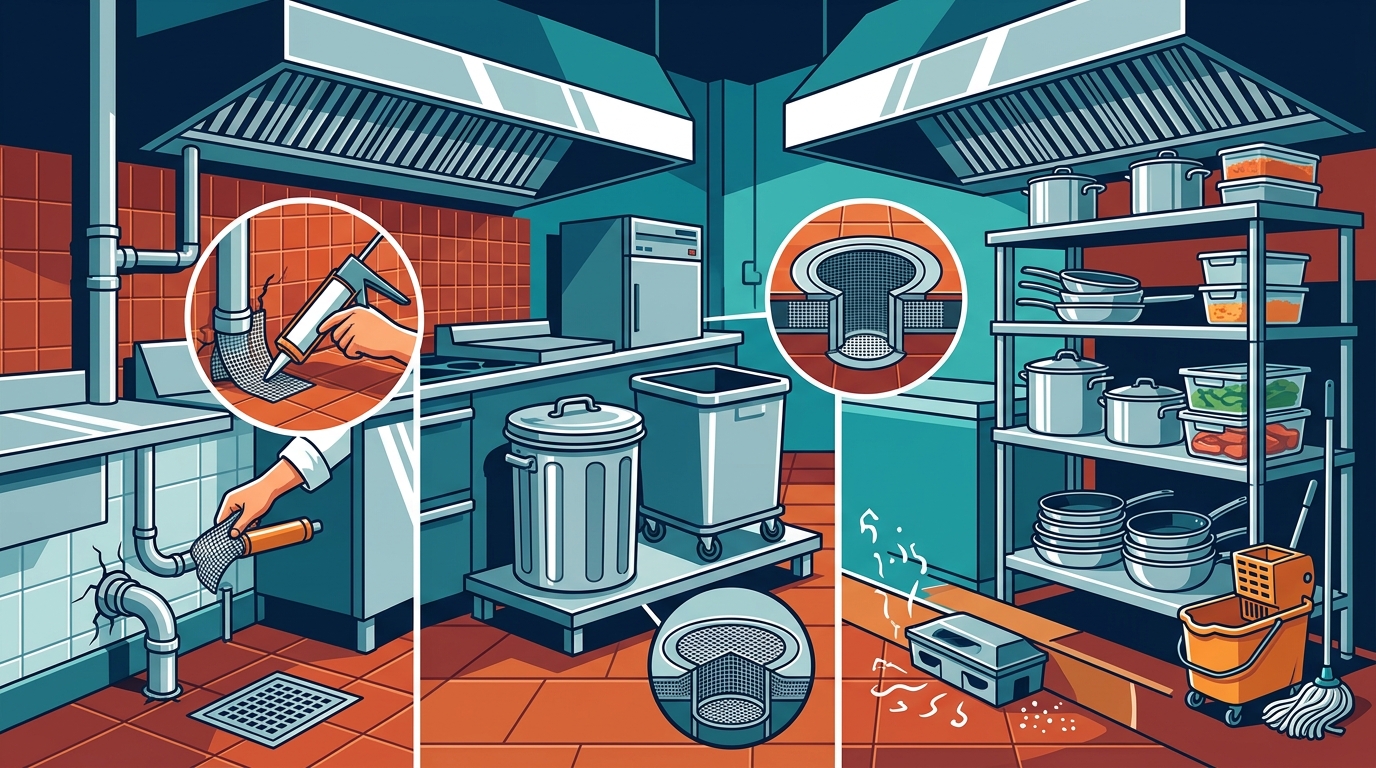
Structural exclusion is the primary line of defense against rodents. Rodents are capable of squeezing through openings as small as a quarter-inch, making minor gaps significant entry points. Broadway Pest Services emphasizes that a building is only as secure as its weakest point. You must identify and seal all potential entry vectors to prevent initial colonization. For additional details, review the Just a moment.
Identifying Entry Points
Conduct a thorough audit of your facility's perimeter. Focus on areas where utilities enter the building, such as gas lines, electrical conduits, and plumbing pipes. Check the base of exterior doors and the gaps between door frames and thresholds. Roof penetrations and vents are also common entry points for rats and mice. For additional details, review the Just a moment.
Sealing Materials and Techniques
Use durable materials for sealing. Copper mesh or steel wool combined with expanding foam is effective for small gaps. For larger openings, use hardware cloth or metal flashing. Avoid using soft materials like caulk alone, as rodents can chew through them. Ensure that all seals are flush with the surface to prevent damage from foot traffic or cleaning equipment. For additional details, review the Just a moment.
Waste Management Protocols
Waste management is a critical component of rodent prevention. Food waste provides the primary attractant for rodents. In a commercial kitchen, improper waste handling can quickly lead to an infestation. Implementing strict protocols for waste storage and disposal is essential for maintaining a pest-free environment. For additional details, review the Just a moment.
Storage and Disposal
Store all waste in tightly sealed, rodent-proof containers. Use bins with locking lids to prevent access. Dispose of waste frequently, especially during peak business hours. Ensure that waste is removed from the premises daily. Do not leave waste in the kitchen or back-of-house areas overnight.
Composting and Recycling
If you compost or recycle, ensure that these bins are also rodent-proof. Keep compost bins away from building entrances. Use sealed containers for recycling to prevent rodents from accessing food scraps. Regularly clean these bins to remove odors that attract pests.
Food Storage Best Practices
Food storage protocols must be designed to deny rodents access to food sources. Rodents are opportunistic feeders and will consume almost any type of food. Proper storage prevents them from establishing a food source within your facility.
Container Selection
Store all dry goods in airtight, rodent-proof containers. Use heavy-duty plastic or metal containers with tight-fitting lids. Avoid storing food in cardboard boxes or open bags. Keep containers off the floor and away from walls to make inspection easier.
Inventory Management
Practice first-in, first-out (FIFO) inventory management. This reduces the amount of time food is stored, minimizing the risk of spoilage and pest attraction. Regularly inspect stored food for signs of rodent activity, such as gnaw marks or droppings. Discard any compromised food immediately.
Sanitation and Cleaning Procedures
Sanitation is the foundation of any effective pest control program. Rodents are attracted to food debris, grease, and odors. Maintaining a high standard of cleanliness removes these attractants and makes your facility less appealing to pests.
Daily Cleaning Routines
Implement a strict daily cleaning schedule. Sweep and mop floors after each shift to remove food debris. Clean all food preparation surfaces, equipment, and utensils. Pay special attention to areas under and behind equipment, where debris can accumulate. Use degreasing agents to remove grease buildup, which can attract rodents.
Deep Cleaning and Maintenance
Staff Training and Accountability
Staff training is essential for maintaining a pest-free environment. Every team member must understand their role in preventing rodent infestations. Broadway Pest Services recommends regular training sessions to ensure that all staff are aware of best practices and potential risks.
Training Content
Train staff on proper waste handling, food storage, and sanitation procedures. Educate them on the signs of rodent activity, such as droppings, gnaw marks, and unusual noises. Encourage staff to report any suspected pest activity immediately. Create a culture of accountability where everyone is responsible for maintaining a clean and pest-free environment.
Monitoring and Feedback
Conduct regular audits to ensure that staff are following protocols. Provide feedback and additional training as needed. Recognize and reward teams that consistently maintain high standards of cleanliness and pest prevention. This reinforces the importance of these practices and encourages continued compliance.
Inspection Documentation and Compliance
Inspection documentation is crucial for demonstrating compliance with health and safety regulations. In New York City, commercial establishments are subject to strict pest control requirements. Maintaining detailed records of inspections and treatments is essential for protecting your license and reputation.
Record Keeping
Keep a log of all pest control activities, including inspections, treatments, and follow-ups. Record the date, time, location, and type of treatment performed. Document any findings, such as the presence of droppings or gnaw marks. This documentation serves as evidence of your commitment to pest prevention and can be used to defend against potential violations.
Regulatory Compliance
Ensure that your pest control program complies with local and state regulations. Work with a licensed pest control provider to ensure that all treatments are performed safely and effectively. Regularly review and update your pest control plan to reflect any changes in regulations or best practices.
Key Takeaways
- Structural sealing is the primary defense against rodent entry.
- Strict waste management protocols are essential for preventing infestations.
- Proper food storage denies rodents access to food sources.
- Regular sanitation removes attractants and makes your facility less appealing to pests.
- Staff training ensures that all team members are aware of best practices.
- Inspection documentation demonstrates compliance with health and safety regulations.
- Working with a professional pest control provider ensures effective and compliant pest management.
Frequently Asked Questions
How often should I inspect my kitchen for rodents?
You should inspect your kitchen for rodents at least once a week. More frequent inspections are recommended during peak seasons or if you have a history of pest issues.
What are the signs of a rodent infestation?
Can I use DIY pest control methods?
DIY methods may provide temporary relief, but they are not a long-term solution. Professional pest control is recommended for effective and compliant pest management.
How much does professional pest control cost?
The cost of professional pest control varies depending on the size of your facility and the severity of the infestation. Contact a licensed provider for a quote.
Do I need a license to perform pest control?
Yes, you need a license to perform pest control in New York City. Ensure that your pest control provider is licensed and insured.
How can I prevent rodents from entering my building?
Seal all entry points, manage waste properly, and maintain high standards of sanitation. Work with a professional pest control provider to develop a comprehensive prevention plan.