
HPD Cockroach Violation Response: Common Mistakes & Prevention Strategies
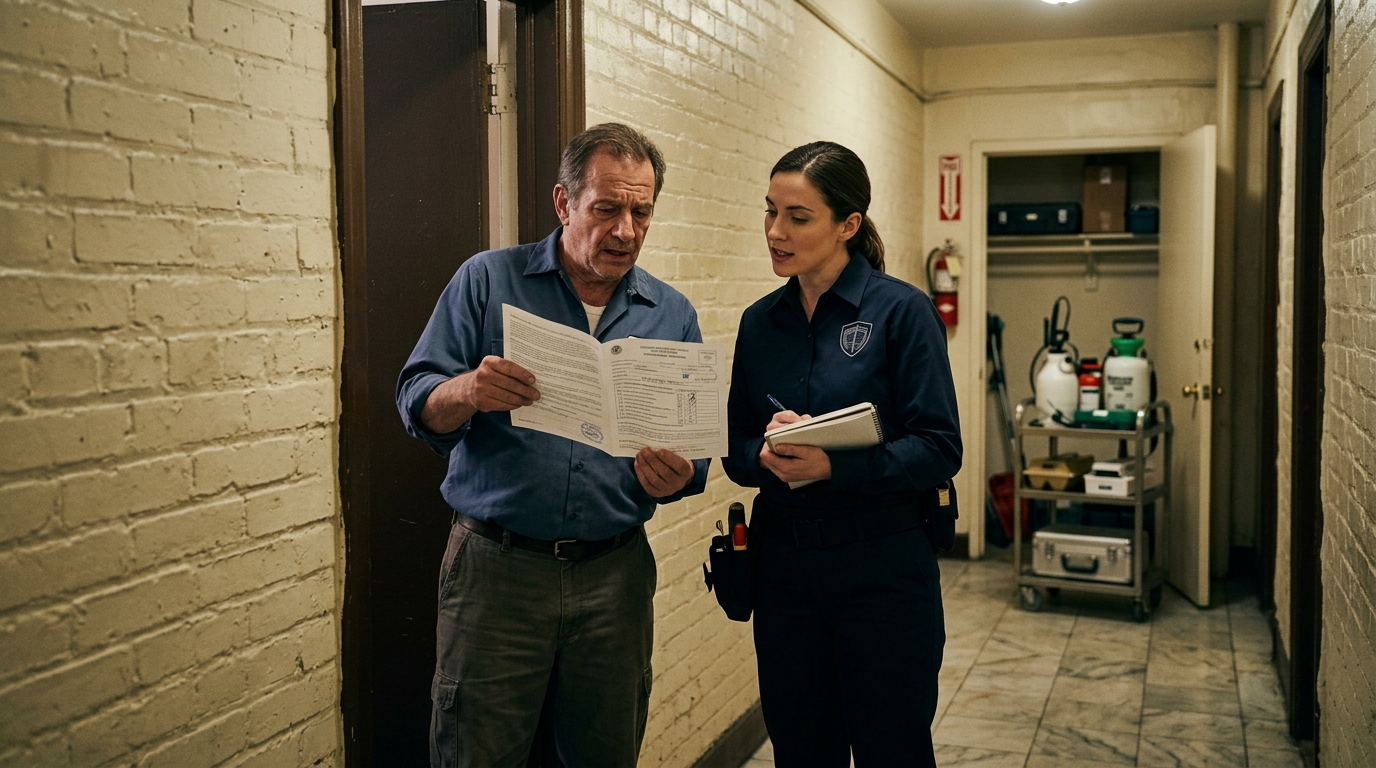
HPD cockroach violations are among the most frequent and costly penalties for New York City landlords, with the Department of Housing Preservation and Development issuing thousands of citations annually. According to recent municipal housing data, cockroach infestations remain the leading cause of housing code violations in NYC, directly impacting property values and tenant safety. Ignoring these citations or responding with generic pest control measures often leads to escalated fines, legal action, and mandatory remediation orders. This guide details the critical errors landlords make during the response phase and outlines the strategic prevention frameworks required to maintain compliance and protect your assets.
Understanding HPD Cockroach Citations
HPD cockroach violations are not merely aesthetic issues; they are serious health code infractions that trigger a strict regulatory timeline. When an inspector identifies cockroaches in a unit, they issue a citation that requires immediate attention. The violation is categorized based on severity, with repeat offenses leading to exponentially higher fines. For landlords, the primary goal is to resolve the citation within the mandated timeframe to avoid escalation.
Resolution typically requires proof of treatment from a licensed pest control operator. However, the quality of that treatment matters. A superficial spray that kills visible roaches but fails to address the underlying infestation source will result in a failed inspection and a new violation. This cycle of citation and re-citation is the most common financial drain for property managers who do not implement a robust Integrated Pest Management (IPM) program.
Common Mistakes in Violation Response
Landlords and property managers often panic when a citation arrives, leading to reactive decisions that worsen the situation. Understanding these pitfalls is the first step toward effective compliance.
1. Relying on DIY or Non-Licensed Solutions
One of the most critical errors is attempting to resolve an HPD cockroach violation without a licensed exterminator. HPD requires documentation from a certified professional. DIY sprays do not provide the necessary legal proof of remediation. Furthermore, over-the-counter products often repel roaches rather than eliminating them, causing the colony to scatter and spread to neighboring units, thereby expanding the violation scope.
2. Ignoring the Root Cause: Sanitation and Exclusion
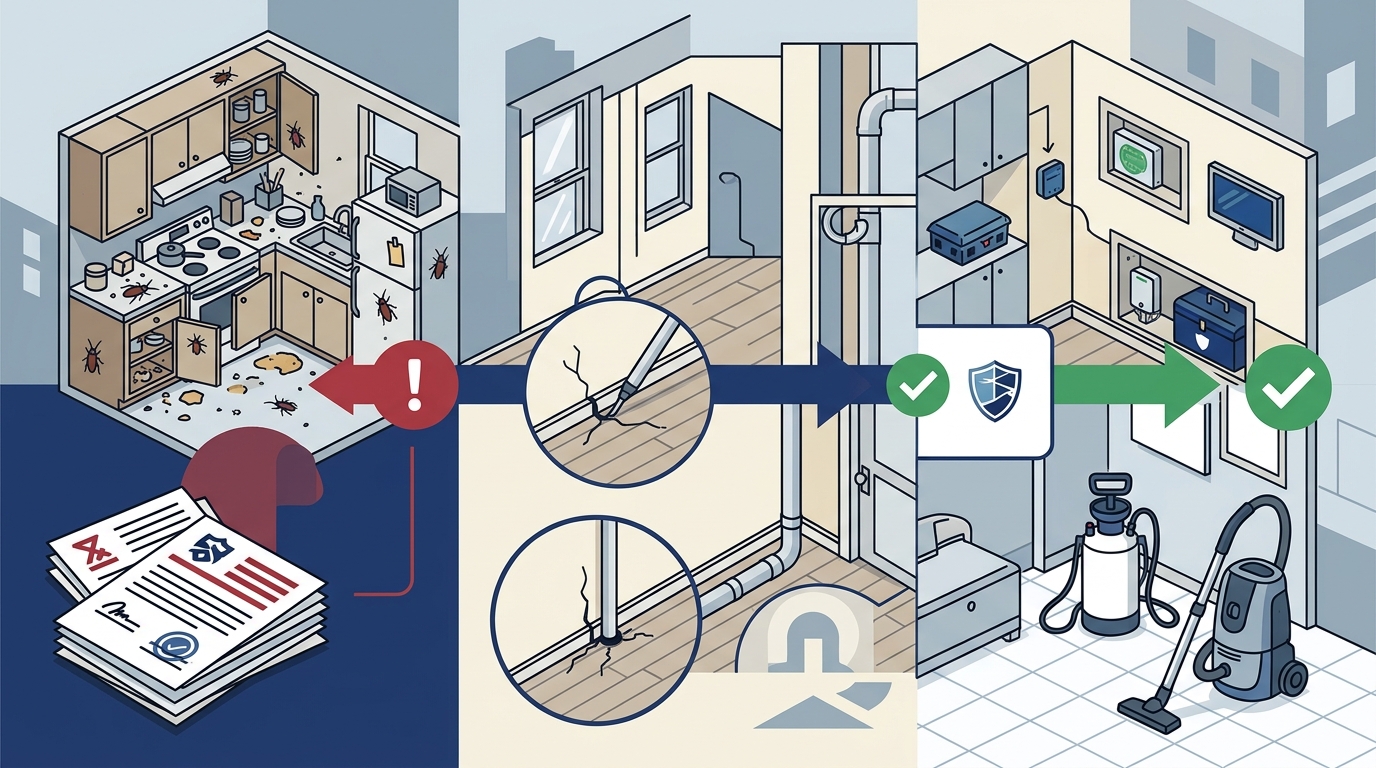
Treating the symptom without addressing the cause is a fatal flaw in violation response. Cockroaches thrive in environments with access to food, water, and shelter. If a landlord pays for a single treatment but fails to seal entry points or enforce tenant sanitation standards, the infestation will return. This is why IPM is essential. IPM is a comprehensive approach that combines chemical treatment with physical exclusion and sanitation protocols to eliminate the habitat.
3. Delaying the Response Timeline
HPD citations come with strict deadlines. Delaying the engagement of a pest control professional allows the infestation to grow and the fine to accrue. In multi-unit buildings, a delay in one unit can lead to cross-contamination, resulting in multiple citations across the property. Immediate action is not just about compliance; it is about containment.
4. Failing to Document the Remediation
Proof of treatment is the cornerstone of HPD compliance. Landlords must retain detailed service logs, including the date of treatment, the chemicals used, and the specific areas addressed. Without this documentation, the citation cannot be closed, regardless of whether the roaches are gone. This is where digital service documentation becomes critical for modern property management.
Strategic Prevention & IPM
Prevention is far more cost-effective than violation response. A proactive IPM program transforms pest control from a reactive expense into a strategic asset. This approach minimizes chemical use while maximizing long-term efficacy.
1. Regular Inspections and Monitoring
Quarterly inspections are the baseline for prevention. However, high-risk properties require more frequent monitoring. Using bait stations and glue traps allows property managers to track activity levels and identify hotspots before they become visible infestations. This data-driven approach enables targeted interventions rather than blanket treatments.
2. Structural Exclusion and Maintenance
Cockroaches enter buildings through tiny cracks and crevices. Sealing gaps around pipes, windows, and doors is a critical preventive measure. This process, known as exclusion, cuts off the primary entry points for pests. Regular maintenance of plumbing and electrical penetrations ensures that these barriers remain intact over time.
3. Tenant Education and Communication
Tenant behavior plays a significant role in infestation levels. Clear communication about sanitation expectations is vital. Landlords should provide tenants with guidelines on proper food storage, waste disposal, and cleaning routines. When tenants understand their role in prevention, they become partners in maintaining a pest-free environment.
4. Leveraging Technology for Compliance
Modern pest control services offer digital platforms that streamline compliance. These platforms provide real-time service logs, automated reminders for inspections, and easy access to documentation for HPD submissions. This transparency ensures that landlords are always prepared for inspections and can close citations quickly.
Sector-Specific Compliance Risks
Different property types face unique challenges when responding to HPD cockroach violations. Understanding these nuances is essential for effective risk management.
| Property Sector | Primary Risk Factor | Prevention Strategy |
|---|---|---|
| Multi-Family Residential | Cross-contamination between units | Coordinated building-wide IPM programs |
| Commercial Restaurants | DOH grade protection | Kitchen-safe IPM and same-day response |
| Hotels & Hospitality | Reputation and RevPAR impact | Discreet detection and rapid response |
| Food Processing | FDA/USDA audit readiness | Zero-tolerance compliance protocols |
Key Takeaways
- HPD cockroach violations are frequent and costly, requiring immediate professional intervention to avoid escalation.
- Digital service documentation is essential for closing citations and proving compliance to HPD inspectors.
- Integrated Pest Management (IPM) combines treatment with exclusion and sanitation for long-term prevention.
- Same-day exterminator response is critical in NYC to contain infestations before they spread to neighboring units.
- Independent ownership ensures consistent service standards, unlike private equity-backed firms that may cut corners.
- QualityPro Certification indicates a pest control provider adheres to rigorous industry standards for safety and efficacy.
- Green Fleet deployment reduces environmental impact while maintaining rapid response capabilities across all five boroughs.
Frequently Asked Questions
How long do I have to resolve an HPD cockroach violation?
HPD typically requires resolution within a specific timeframe, often 30 days, depending on the severity of the citation. Immediate action is recommended to prevent fine accumulation.
Can I use DIY methods to clear an HPD citation?
No. HPD requires proof of treatment from a licensed pest control operator. DIY methods do not provide the necessary documentation for citation closure.
What is Integrated Pest Management (IPM)?
IPM is a holistic approach to pest control that prioritizes long-term prevention and minimizes risks to human health and the environment through a combination of biological, cultural, physical, and chemical tools.
How does Broadway Pest Services handle emergency violations?
We offer same-day exterminator response across NYC, Westchester, and Bergen County, ensuring rapid containment of infestations and immediate documentation for compliance.
What certifications does Broadway Pest hold?
We are QualityPro Certified, MWBE Certified, and DOH & HPD Ready, ensuring our services meet the highest standards of regulatory compliance and operational excellence.
Do you provide services for commercial properties?
Yes. We specialize in tactical pest control for commercial sectors including property management, restaurants, hotels, and food processing, with tailored IPM programs for each.
How can I prevent cockroach infestations in my building?
Prevention requires regular inspections, structural exclusion, tenant education, and a proactive IPM program. Partnering with a certified provider ensures consistent monitoring and rapid response.
Secure Your Property Compliance
HPD cockroach violations are not just fines; they are a threat to your property's reputation and value. Do not wait for the next inspection to address your pest control strategy. Broadway Pest Services provides the documented, compliant, and decisive response that NYC landlords require. Deploy a free assessment today and secure your property with NYC's most trusted tactical pest control authority.