

How Fast Can a Pest Control Company Respond Before a Health Inspection?
Commercial pest control companies can typically dispatch a technician within 4 to 24 hours of a request, depending on the urgency and the provider's operational capacity. For Broadway Pest Services, same-day emergency response is available for active infestations or imminent inspection deadlines. This guide covers response time windows, documentation requirements, emergency protocols, service records, and inspector evaluation criteria to help property managers and restaurant owners protect their compliance status.
Response Time Windows
Response time is the single most critical variable when a health inspection is scheduled or a violation is received. In New York City, the regulatory environment demands speed. A standard service call might be scheduled within 24 to 48 hours, but an emergency response is significantly faster. Broadway Pest Services operates with a same-day dispatch model for commercial clients. If you call before noon, the company can typically deploy a technician to your site the same day. This window is crucial because inspectors do not wait for your pest control provider to finish a routine schedule. They inspect the property as it exists at that moment. Therefore, the gap between the discovery of a pest issue and the completion of treatment must be minimized. For restaurants facing a Department of Health (DOH) inspection, this window often shrinks to a few hours. The ability to compress the response time from days to hours is the defining feature of a tactical pest control partner.
Standard vs. Emergency Windows
Standard service windows are designed for preventive maintenance and routine monitoring. These visits are scheduled in advance to avoid disrupting business operations. Emergency windows, however, are triggered by active infestations, guest complaints, or regulatory notices. In these scenarios, the priority shifts from convenience to compliance. Broadway Pest Services distinguishes between these two modes. A standard visit might occur during off-peak hours to minimize noise or disruption. An emergency visit occurs immediately, regardless of the time of day, to address the threat before it becomes a liability. Understanding which window applies to your situation is the first step in managing inspection risk.
Geographic Impact on Speed
Geography plays a significant role in response times. Broadway Pest Services operates from two Manhattan locations, which allows for rapid deployment across the five boroughs. The Midtown office at 213 W 35th St and the Harlem store at 69 St. Nicholas Ave serve as dispatch hubs. This dual-location strategy reduces travel time for clients in dense urban areas. For properties in the outer boroughs or New Jersey, response times may vary slightly but remain within the same-day window for emergencies. The company's presence in both Manhattan and the surrounding areas ensures that no client is left waiting for a technician to travel across the city. This logistical advantage is a key factor in meeting tight inspection deadlines.
Documentation Before Inspection
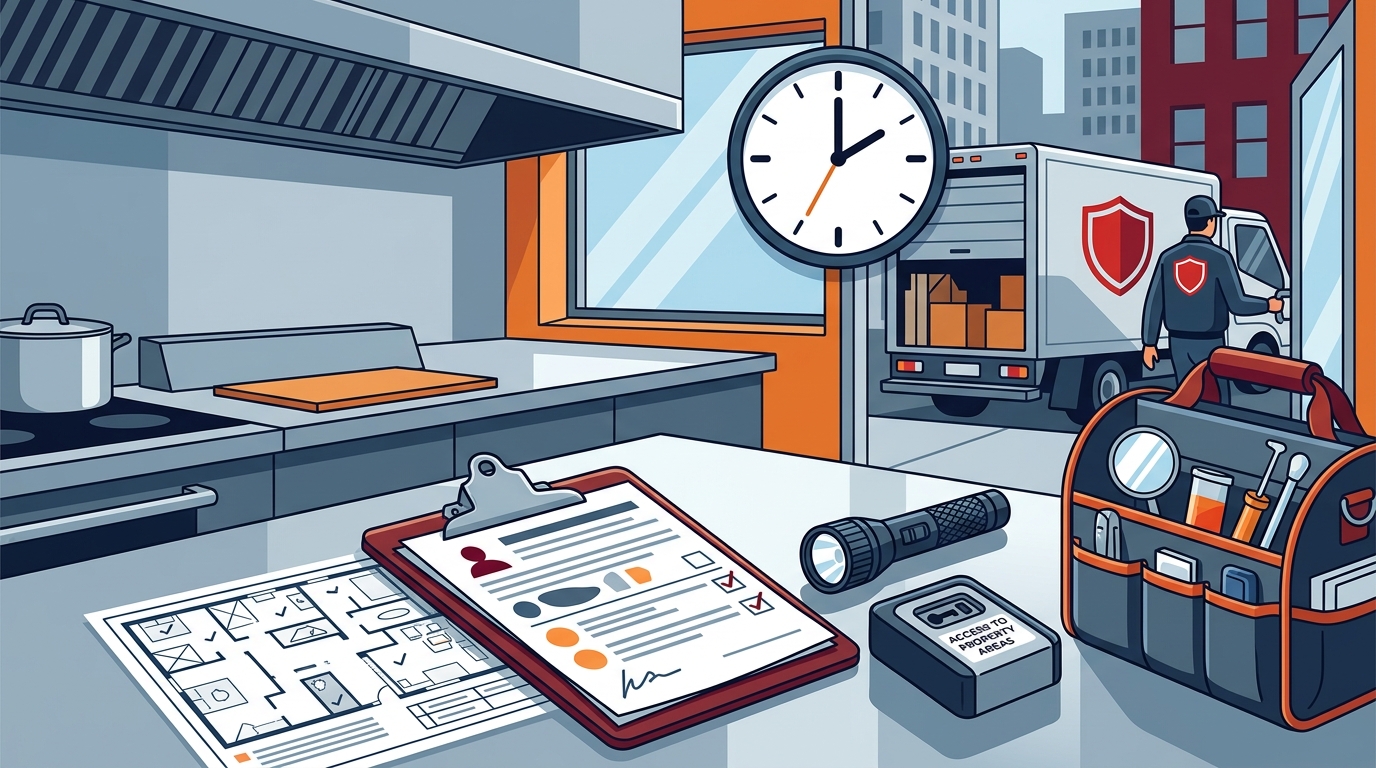
Documentation is the bridge between a pest control treatment and regulatory compliance. Inspectors do not just look for the absence of pests; they look for evidence of a proactive management program. A documented Integrated Pest Management (IPM) program is the standard for commercial properties in New York City. This program includes records of inspections, treatments, and monitoring activities. Broadway Pest Services provides timestamped documentation for every service visit. These records are accessible through a 24/7 client portal, allowing property managers to retrieve them instantly during an inspection. The documentation must show a history of consistent monitoring, not just a single reactive treatment. This history demonstrates to the inspector that the property is under active management. It shifts the narrative from "we have a problem" to "we are managing a risk."
The Role of the Client Portal
The client portal is a digital repository of all service activities. It logs the date, time, technician, products used, and areas treated. This level of detail is essential for satisfying regulatory requirements. For example, the New York State Department of Health requires specific records for food service establishments. The portal allows users to export these records in a format that is easy for inspectors to review. This eliminates the need for paper binders, which can be disorganized or incomplete. The digital nature of the records also ensures that they are always up to date. If a treatment was performed yesterday, it is visible in the portal today. This immediacy is critical when an inspection is announced with little notice.
Compliance with Local Laws
New York City Local Law 55 of 2018 requires building owners to use IPM practices. This law emphasizes prevention and monitoring over routine pesticide application. Broadway Pest Services' documentation is designed to align with this legal framework. The records show that the company is following an IPM protocol, which includes non-chemical controls and targeted treatments. This alignment is a strong defense against violations. It shows that the property owner is not just reacting to pests but is implementing a legally compliant management strategy. The documentation serves as proof of this compliance. It is a tangible asset that can be presented to inspectors, legal counsel, or tenants.
Emergency Response Times
Emergency response is the fastest tier of service available. It is triggered by situations that pose an immediate threat to health, safety, or business operations. Examples include a live cockroach sighting in a restaurant kitchen, a bed bug complaint from a hotel guest, or an HPD violation notice. Broadway Pest Services responds to these emergencies with a priority dispatch. The company aims to be on-site within 4 hours of the call for true emergencies. This rapid response is possible due to the company's operational structure and local presence. The technician dispatched is a senior professional with experience in handling high-pressure situations. They are trained to assess the situation quickly and implement the most effective treatment strategy. The goal is to eliminate the immediate threat and provide documentation that can be used to defend against a violation.
Dispatch Protocol
The emergency dispatch protocol begins with a phone call to (212) 663-2100. The dispatcher confirms the nature of the emergency and the location of the property. They then assign the nearest available technician. The technician is notified immediately and heads to the site. Upon arrival, they conduct a rapid assessment to determine the extent of the infestation. They then implement the treatment plan. This process is designed to be as efficient as possible. Every minute counts when an inspection is imminent. The protocol ensures that the technician is not just spraying but is addressing the root cause of the problem. This includes identifying entry points and harborage areas. The treatment is targeted and effective, minimizing the time the property is exposed to the pest.
Post-Treatment Documentation
After the emergency treatment is completed, the technician generates a digital service log. This log is issued the same day. It includes the date, time, technician license number, areas treated, and products used. This document is the legal record of the response. It shows that the property owner took immediate corrective action. This is a critical piece of evidence in any regulatory dispute. It demonstrates that the owner did not ignore the problem but acted swiftly to resolve it. The documentation is stored in the client portal and can be accessed at any time. It is ready to be presented to an inspector, a lawyer, or a tenant. The speed of this documentation process is a key advantage of using a professional pest control service. It turns a potential crisis into a documented success.
Service Documentation
Service documentation is the ongoing record of all pest control activities. It is not just a receipt; it is a compliance tool. Every service visit, whether routine or emergency, generates a detailed log. These logs are the backbone of the IPM program. They show the frequency of monitoring, the types of treatments used, and the results of each visit. Broadway Pest Services maintains these records in a secure digital format. The records are organized by property, date, and service type. This organization makes it easy to retrieve specific information. For example, if an inspector asks for the last three months of rodent monitoring records, the property manager can pull them up in seconds. This efficiency is a significant advantage over paper-based systems. It reduces the stress of an inspection and ensures that the property owner is always prepared.
Content of Service Logs
Access and Retrieval
The client portal provides 24/7 access to all service documentation. This access is available from any device with an internet connection. This is particularly useful during inspections, which can occur at any time. The property manager can pull up the relevant records on their phone or tablet. This immediate access is a powerful tool. It shows the inspector that the property is well-managed and that the owner is proactive. It also helps in resolving tenant complaints. If a tenant reports a pest issue, the property manager can show them the recent service records. This transparency builds trust and reduces the likelihood of disputes. The portal is a key component of the company's commitment to accountability and compliance.
Inspector Evaluation Criteria
DOH Inspection Standards
The New York City Department of Health inspects restaurants unannounced. The inspection covers food safety, cleanliness, and pest control. The pest control section of the inspection looks for live pests, evidence of pests, and documentation of pest management. A single live cockroach in the kitchen can result in a 28-point deduction. This deduction can lower the restaurant's grade from an A to a B or C. A lower grade can have significant financial and reputational consequences. Broadway Pest Services' emergency response and documentation are designed to prevent this outcome. By treating the infestation quickly and providing documentation, the company helps the restaurant maintain its grade. The documentation shows that the restaurant is not ignoring the problem but is actively managing it. This is a key factor in the inspector's evaluation.
HPD Violation Defense
HPD pest violations are common in residential buildings. These violations are issued when pests are observed in a building. The owner has a set period to correct the violation. The documentation of the pest control service is a key part of the defense. It shows that the owner took immediate action to address the problem. The documentation includes the date of the service, the technician's license number, and the products used. This evidence can be used to certify the correction of the violation. It can also be used in housing court if the violation is contested. The documentation is a powerful tool in the owner's defense. It shows that the owner is responsible and proactive. It is a critical asset in any HPD dispute.
Key Takeaways
- Same-day response is available for commercial emergencies, with dispatch typically occurring within 4 hours.
- Documentation is as important as treatment; inspectors look for evidence of a proactive IPM program.
- The 24/7 client portal provides instant access to service logs, which is critical during inspections.
- Emergency response is triggered by active infestations, guest complaints, or regulatory notices.
- Service logs include detailed information on the technician, products, and areas treated.
- DOH inspections use a point system where a single live cockroach can significantly impact a restaurant's grade.
- HPD violations require documented corrective action to be cleared.
- Geographic proximity to dispatch hubs, such as the Midtown and Harlem locations, reduces response times.
Frequently Asked Questions
How fast can Broadway Pest Services respond to an emergency?
Broadway Pest Services can dispatch a technician within 4 hours for true emergencies. For same-day service, it is recommended to call before noon. The company operates from two Manhattan locations, which allows for rapid deployment across the five boroughs.
What documentation do I need for a DOH inspection?
You need records of your pest control program, including inspection dates, treatments performed, and products used. Broadway Pest Services provides timestamped documentation through its 24/7 client portal, which can be accessed instantly during an inspection.
Can I use the service logs to defend against an HPD violation?
Yes. Service logs are a key piece of evidence in defending against an HPD violation. They show that you took immediate corrective action to address the pest problem. The logs include the date of the service, the technician's license number, and the products used.
What is the difference between standard and emergency response?
Standard response is scheduled in advance for routine maintenance. Emergency response is triggered by active infestations or regulatory notices and is dispatched immediately. Emergency response is prioritized and typically occurs within 4 hours.
Do you serve all five boroughs of New York City?
Yes. Broadway Pest Services serves all five boroughs of New York City, as well as parts of New Jersey and Westchester County. The company operates from two Manhattan locations, which allows for rapid response across the city.
How does the client portal work?
The client portal is a digital repository of all service activities. It logs the date, time, technician, products used, and areas treated. You can access the portal 24/7 from any device with an internet connection. This allows you to retrieve service logs instantly during an inspection.
Conclusion
Speed and documentation are the two pillars of effective pest control in a regulated environment. Broadway Pest Services provides both. With same-day emergency response and 24/7 access to service documentation, the company helps property managers and restaurant owners protect their compliance status. The company's dual-location strategy in Manhattan ensures rapid deployment across the city. The digital client portal provides instant access to the records that inspectors require. By partnering with Broadway Pest Services, you gain a tactical advantage in managing pest risks. To secure your property's compliance, request a free assessment today.