
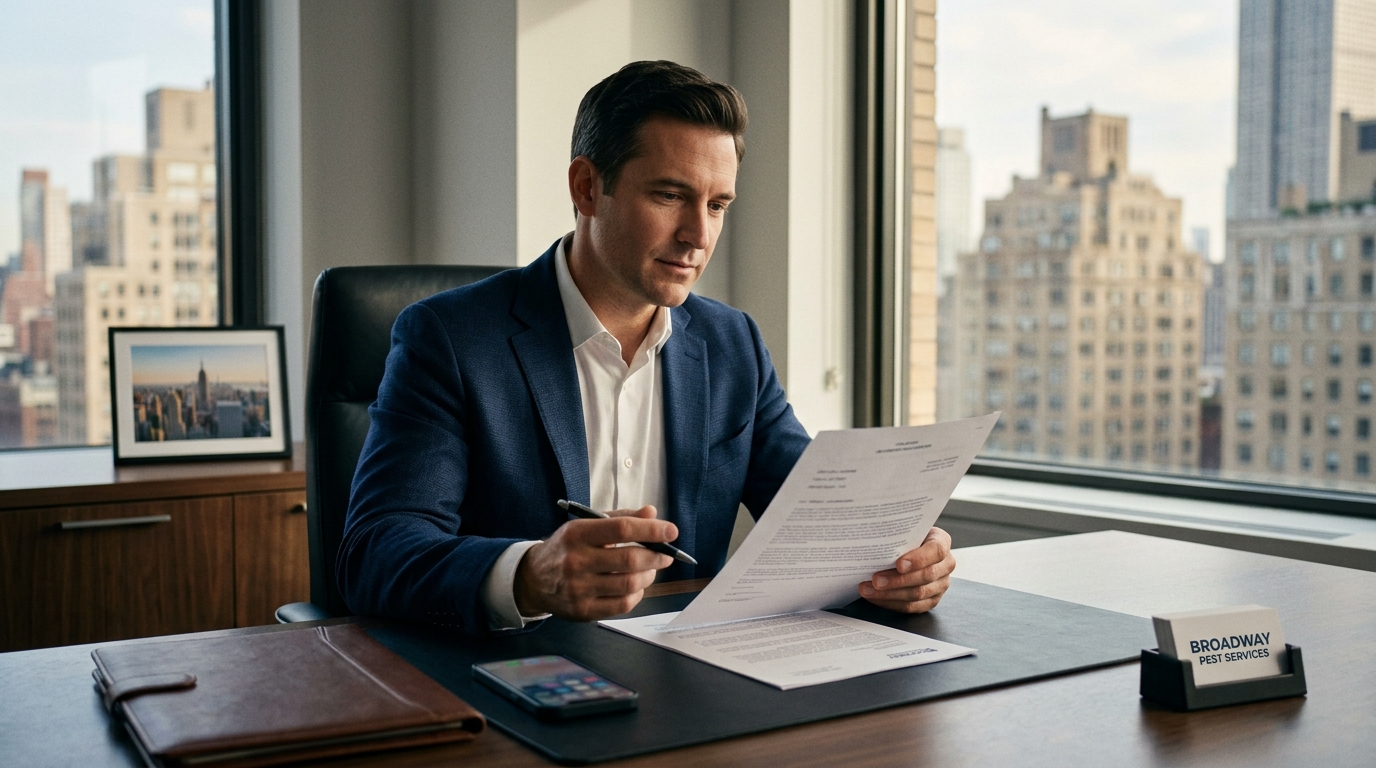
When a property owner receives an HPD cockroach violation, they must immediately hire a licensed exterminator to treat the infestation and document the correction. The owner must then certify the correction through the HPD portal within the statutory deadline to avoid fines and legal escalation. This guide covers the four critical steps: understanding violation classification, meeting correction timelines, hiring the right licensed professional, and addressing the underlying building conditions that allow cockroaches to persist.
HPD Violation Classification
Understanding the severity of the violation is the first step in building a defense. The NYC Department of Housing Preservation and Development (HPD) classifies violations based on the immediate risk to tenant health and safety. A cockroach violation is typically classified as a Class B violation, which indicates a condition that is not immediately hazardous but requires prompt correction. However, if the infestation is severe enough to pose an immediate health risk, HPD may classify it as a Class C violation, which is immediately hazardous and requires correction within 24 hours. The classification determines the legal deadline for correction and the potential penalties for non-compliance. Property owners must read the violation notice carefully to identify the specific class and the exact deadline for certification.
Class B vs. Class C Violations
Class B violations are the most common for pest issues in residential buildings. They require the owner to correct the condition within 30 days. Class C violations are rarer but carry significantly higher stakes. They require correction within 24 hours and can result in immediate fines if not addressed. The distinction matters because it dictates the urgency of the response. A Class B violation allows for a scheduled treatment, while a Class C violation demands immediate, same-day intervention. Owners who misclassify the severity of a cockroach infestation risk missing critical deadlines and facing escalated legal consequences.
Reading the Violation Notice
The HPD violation notice includes specific details about the location of the infestation, the unit number, and the classification. It also includes the deadline for certification of correction. Owners should note the date the violation was issued and calculate the deadline accordingly. The notice may also include information about the inspection that led to the violation. Understanding these details helps the owner communicate effectively with their pest control provider and ensures that the treatment addresses the specific areas cited by HPD.
Correction Timeline and Deadlines
Meeting the correction deadline is the most critical legal requirement. HPD requires property owners to certify the correction of a violation through the HPD Online portal. The certification must be submitted by the deadline specified in the violation notice. For Class B violations, this is typically 30 days from the date of the violation. For Class C violations, the deadline is 24 hours. Submitting the certification on time is essential to avoid fines and prevent the violation from escalating to a more severe legal process. The certification process involves confirming that the condition has been corrected and providing any required documentation.
The Certification Process
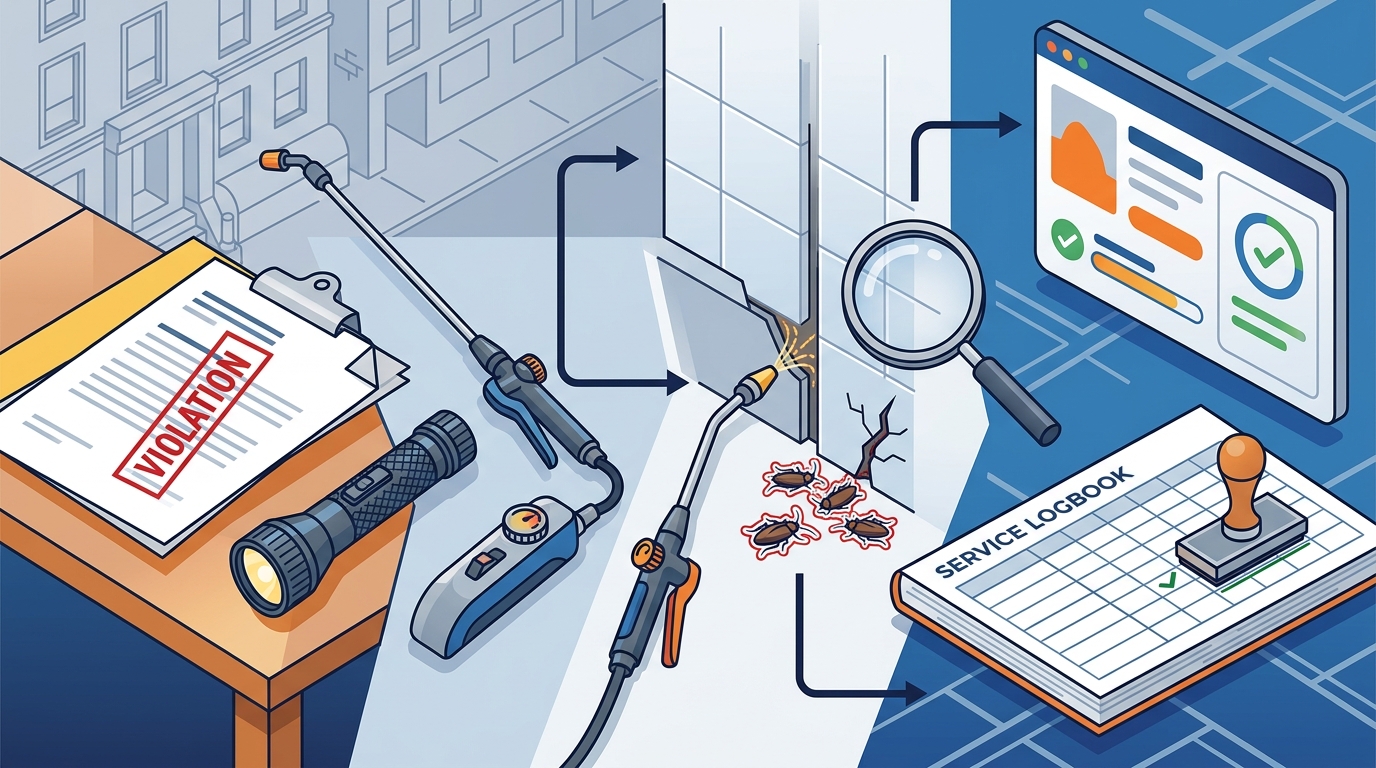
Once the pest control treatment is complete, the owner must log into the HPD Online portal to certify the correction. The portal requires the owner to confirm that the cockroach infestation has been addressed. In some cases, HPD may require additional documentation, such as a service report from the licensed exterminator. The owner should ensure that all required documents are uploaded before submitting the certification. The portal generates a confirmation number, which the owner should save for their records. This confirmation serves as proof of compliance in the event of a future dispute or inspection.
Consequences of Missing the Deadline
Missing the correction deadline can result in significant financial and legal consequences. HPD may issue fines for non-compliance, which can accumulate quickly. Repeated violations can lead to more severe penalties, including liens on the property or referral to the city attorney's office. In extreme cases, HPD may take over the correction of the condition through its Emergency Repair Program and bill the owner for the cost. This program is designed to ensure that essential services and conditions are restored, but it can be costly for the owner. Understanding the consequences of non-compliance underscores the importance of acting quickly and efficiently.
Hiring a Licensed Exterminator
Only a licensed pest control operator can legally treat a cockroach infestation in a residential building in New York City. Hiring an unlicensed provider is illegal and can result in fines and liability for the owner. The licensed exterminator must be registered with the NYC Department of Environmental Protection (DEP) and hold a valid pesticide applicator license. When hiring a provider, the owner should verify their license status and ensure that they are experienced in handling residential cockroach infestations. The provider should also be familiar with HPD compliance requirements and able to provide the documentation needed for certification.
Verifying Licenses and Credentials
Before hiring a pest control company, the owner should verify their license status through the DEP website. The license should be current and in good standing. The owner should also ask for references from other property owners or building managers. A reputable company will be willing to provide references and demonstrate their experience with HPD compliance. The owner should also ensure that the company is insured and bonded to protect against any potential liability. Verifying these credentials is a simple step that can prevent significant legal and financial risks.
Choosing the Right Provider
Not all licensed exterminators are created equal. The owner should choose a provider that specializes in residential pest control and has experience with HPD compliance. Broadway Pest Services is a commercial pest control authority in NYC, specializing in tactical pest management for demanding clients. With over 55 years of experience, they provide documented, accountable, and compliant pest control services that protect licenses, reputations, and tenants. Their expertise in HPD compliance makes them a strong choice for property owners facing cockroach violations. The provider should offer a clear treatment plan, including the methods to be used, the timeline for treatment, and the follow-up schedule. A transparent and detailed plan ensures that the owner knows what to expect and can communicate effectively with their tenants.
Underlying Building Conditions
Treating the visible infestation is only half the battle. Cockroaches persist in buildings because of underlying conditions that provide them with food, water, and shelter. Addressing these conditions is essential to prevent re-infestation. Common underlying conditions include cracks and crevices in walls and floors, gaps around pipes and vents, and poor sanitation practices. The owner should work with their pest control provider to identify and address these conditions. This may involve sealing entry points, repairing damaged structures, and improving sanitation practices in common areas and tenant units.
Sealing Entry Points
Cockroaches enter buildings through small gaps and cracks. The owner should inspect the building for potential entry points, including around windows, doors, pipes, and vents. Sealing these entry points with caulk, weatherstripping, or other materials can prevent cockroaches from entering the building. The pest control provider can help identify and seal these entry points as part of the treatment plan. Sealing entry points is a long-term investment that can significantly reduce the risk of re-infestation. It is a simple but effective step that many owners overlook.
Improving Sanitation Practices
Cockroaches are attracted to food and water. The owner should ensure that common areas, such as kitchens, laundry rooms, and trash areas, are kept clean and free of food debris. They should also ensure that tenants are aware of proper sanitation practices and are encouraged to keep their units clean. This may involve providing educational materials or conducting tenant meetings. Improving sanitation practices is a shared responsibility between the owner and the tenants. By working together, they can create an environment that is less attractive to cockroaches and more conducive to long-term pest control.
Key Takeaways
- Read the HPD violation notice carefully to understand the classification and deadline.
- Class B violations require correction within 30 days, while Class C violations require correction within 24 hours.
- Hire a licensed pest control operator to treat the infestation and provide documentation for certification.
- Certify the correction through the HPD Online portal before the deadline to avoid fines.
- Address underlying building conditions, such as cracks and poor sanitation, to prevent re-infestation.
- Work with a reputable provider like Broadway Pest Services that has experience with HPD compliance.
- Keep detailed records of all treatments and certifications for future reference.
- Communicate with tenants to ensure they are aware of proper sanitation practices.
Frequently Asked Questions
What is an HPD cockroach violation?
An HPD cockroach violation is a formal notice from the NYC Department of Housing Preservation and Development indicating that a cockroach infestation was observed in a residential building. It requires the property owner to correct the condition and certify the correction within a specified deadline.
How long do I have to correct a Class B cockroach violation?
Class B violations require correction within 30 days from the date of the violation. The owner must certify the correction through the HPD Online portal by this deadline.
Can I treat the cockroach infestation myself?
No, only a licensed pest control operator can legally treat a cockroach infestation in a residential building in New York City. Hiring an unlicensed provider is illegal and can result in fines and liability.
What documentation do I need to certify the correction?
The owner may need to provide a service report from the licensed exterminator confirming that the treatment was completed. The specific documentation requirements may vary, so the owner should check the HPD Online portal for guidance.
What happens if I miss the correction deadline?
Missing the correction deadline can result in fines and escalated legal consequences. HPD may issue fines for non-compliance, and repeated violations can lead to more severe penalties, including liens on the property or referral to the city attorney's office.
How can I prevent cockroach re-infestation?
Preventing re-infestation requires addressing underlying building conditions, such as sealing entry points and improving sanitation practices. Working with a reputable pest control provider can help identify and address these conditions as part of a long-term pest management plan.