

Bed bug infestations in New York City are no longer a rare occurrence but a persistent urban reality. According to recent industry data, pest control companies in major metropolitan areas like NYC report a significant increase in bed bug calls, with some firms handling thousands of incidents annually. This surge is driven by high-density living, frequent travel, and the resilience of modern bed bug populations. For apartment dwellers, the stakes are incredibly high. A single oversight can lead to a full-blown infestation that spreads through walls, electrical conduits, and plumbing chases. This guide provides a definitive, step-by-step approach to identifying, containing, and eliminating bed bugs from your NYC apartment, leveraging Integrated Pest Management (IPM) principles and professional expertise. (Broadway Pest Services Urban)
Step 1: Accurate Identification and Inspection
The first critical step in eliminating bed bugs is confirming their presence. Many residents mistake other insects, such as carpet beetles or spider bites, for bed bug bites. Bed bugs are small, wingless insects that feed on human blood. They are typically reddish-brown, oval-shaped, and about the size of an apple seed. However, nymphs (young bed bugs) are much smaller and translucent.
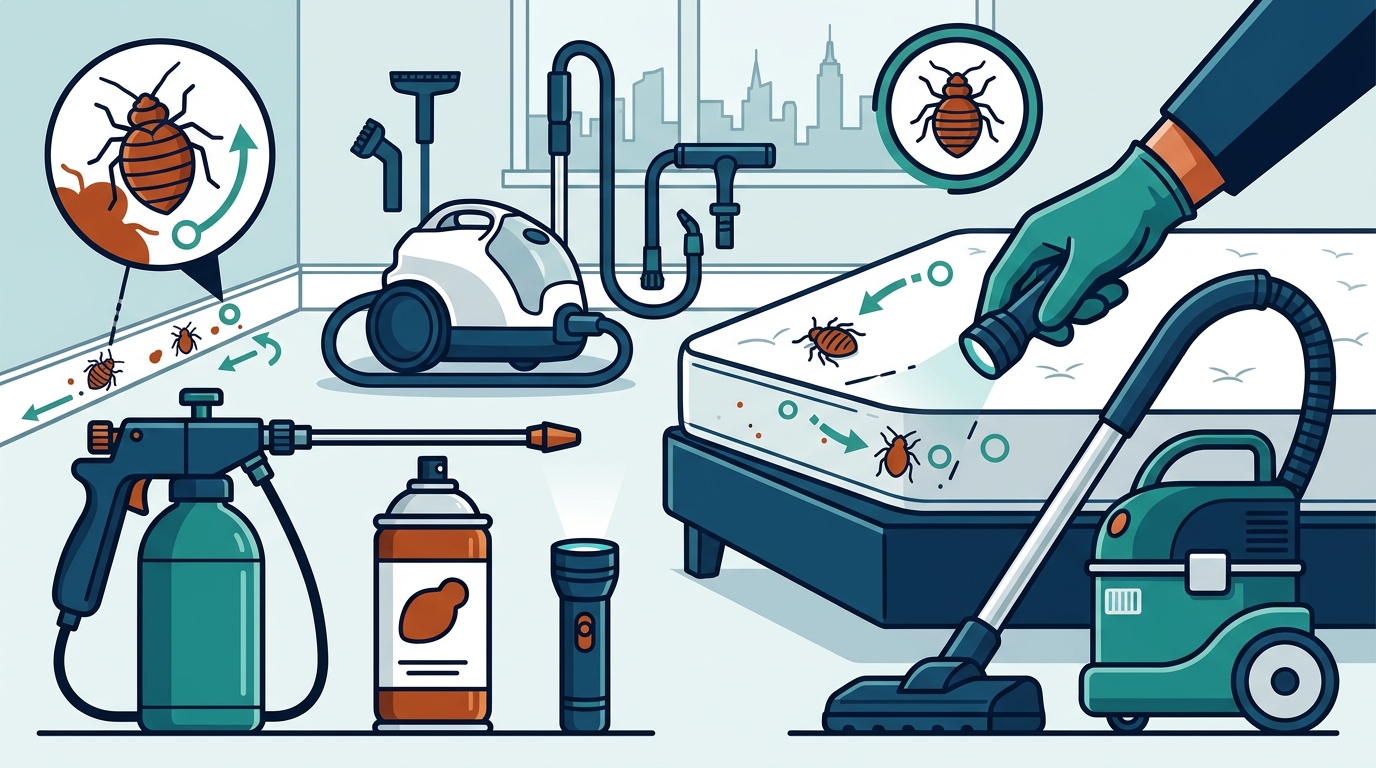
Bed bugs are nocturnal parasites that hide in dark, tight spaces during the day. Common hiding spots include mattress seams, box springs, bed frames, headboards, and nearby furniture. They can also hide in baseboards, electrical outlets, and wallpaper edges. To inspect your apartment thoroughly, use a bright flashlight and a magnifying glass. Look for live bugs, shed skins, and fecal spots (small, dark stains that look like marker dots).
If you suspect an infestation, do not panic. Rapid identification is key to preventing spread. Document your findings with photos and notes. This documentation will be crucial when contacting professional pest control services or your landlord. For a comprehensive understanding of bed bug biology and behavior, refer to EPA bed bug resources.
Step 2: Immediate Containment and Isolation
Once you confirm the presence of bed bugs, immediate action is required to contain the infestation. The goal is to prevent the bugs from spreading to other rooms or neighboring apartments. In NYC's dense housing stock, bed bugs can easily travel through wall voids and utility lines.
Isolate your sleeping area first. Move your bed away from walls and curtains. Place bed bug interceptors under each leg of the bed frame. These devices trap bed bugs attempting to climb up or down. Encase your mattress and box spring in high-quality, bed bug-proof encasements. These encasements trap any existing bugs inside, where they will eventually die, and prevent new bugs from entering.
Reduce clutter in your apartment. Bed bugs thrive in cluttered environments because it provides more hiding places. Bag and discard any items you no longer need. For items you wish to keep, such as clothing or books, seal them in plastic bags before moving them to a clean area. If you suspect an item is infested, you can treat it with heat. CDC guidelines recommend using a dryer on high heat for at least 30 minutes to kill bed bugs and their eggs.
Step 3: Professional Intervention and Treatment
While DIY methods can help with minor issues, professional intervention is almost always necessary for a full elimination in NYC apartments. Bed bugs have developed resistance to many common over-the-counter pesticides. Professional pest control companies use a combination of methods, including heat treatment, steam, and targeted insecticides, to ensure complete eradication.
Integrated Pest Management (IPM) is the industry standard for effective bed bug control. IPM combines multiple strategies, such as physical removal, heat treatment, and chemical application, to minimize risks to human health and the environment. Broadway Pest Services, for example, specializes in tactical pest control for NYC's demanding commercial and residential clients. Their approach focuses on documented, compliant, and decisive action.
When choosing a pest control provider, look for a company with experience in bed bug elimination. Ask about their treatment methods, warranty, and follow-up schedule. Heat treatment, in particular, is highly effective because it penetrates deep into cracks and crevices where bed bugs hide. It involves raising the temperature of the infested area to a level that is lethal to bed bugs but safe for your belongings. For more information on heat treatment efficacy, see USDA bed bug resources.
After treatment, you must adhere to the provider's preparation and post-treatment instructions. This may include washing all bedding and clothing in hot water, vacuuming thoroughly, and avoiding moving furniture until the infestation is fully resolved. Follow-up inspections are critical to ensure that no bed bugs remain.
Step 4: Long-Term Prevention and Monitoring
Eliminating bed bugs is only half the battle. Preventing re-infestation is equally important. Bed bugs are excellent hitchhikers and can be brought back into your home from hotels, public transportation, or second-hand furniture.
Regular monitoring is essential for early detection. Continue to use bed bug interceptors under your bed legs for several months after treatment. Inspect your mattress and box spring encasements regularly for any signs of damage or new bugs. When traveling, inspect hotel rooms for bed bugs before unpacking. Keep your luggage on a luggage rack away from the bed and walls.
Be cautious when acquiring second-hand furniture. Bed bugs often hide in used mattresses, sofas, and chairs. If you must buy used furniture, inspect it thoroughly before bringing it into your home. Consider treating it with heat or steam before use. For tips on preventing bed bugs while traveling, refer to Travel Health Source bed bug tips.
Educate yourself and your household about bed bug signs. Early detection can prevent a minor issue from becoming a major infestation. If you notice any new bites or signs of bed bugs, contact a professional pest control service immediately. Do not wait for the problem to get worse.
Step 5: Tenant Rights and Landlord Responsibilities
In New York City, landlords have a legal obligation to provide habitable housing, which includes addressing pest infestations. If you are a tenant and discover bed bugs in your apartment, you must notify your landlord or building management in writing. Keep a copy of your notification for your records.
Landlords are responsible for arranging and paying for professional pest control services. Tenants are typically responsible for cooperating with the treatment process, such as preparing the apartment and washing bedding. However, tenants are not responsible for the cost of the treatment itself. If your landlord fails to address the infestation, you may have legal recourse. You can contact the NYC Department of Housing Preservation and Development (HPD) to file a complaint.
Understanding your rights can help you navigate the process more effectively. For detailed information on tenant rights regarding pest control, visit HPD tenant resources. Remember, ignoring a bed bug infestation can lead to further health issues and property damage. Act promptly and professionally.
Key Takeaways
- Accurate Identification: Confirm bed bug presence through thorough inspection of common hiding spots like mattress seams and baseboards.
- Immediate Containment: Use bed bug interceptors and encasements to isolate your sleeping area and prevent spread.
- Professional Treatment: Engage a licensed pest control expert for IPM-based treatment, such as heat or steam, as DIY methods are often insufficient.
- Long-Term Monitoring: Continue using interceptors and inspecting your home regularly to prevent re-infestation.
- Tenant Rights: Notify your landlord in writing and understand that they are responsible for professional pest control costs in NYC.
- Travel Precautions: Inspect hotel rooms and luggage racks when traveling to avoid bringing bed bugs home.
- Clutter Reduction: Minimize clutter in your apartment to reduce hiding places for bed bugs.
Frequently Asked Questions
How long does it take to eliminate bed bugs?
Eliminating bed bugs can take several weeks to months, depending on the severity of the infestation and the treatment methods used. Heat treatment can be faster, often resolving the issue in one or two days, but follow-up inspections are necessary. Multiple treatments may be required for severe infestations.
Can I treat bed bugs myself?
While DIY methods can help with minor issues, they are rarely sufficient for a full elimination. Bed bugs are resilient and can hide in hard-to-reach places. Professional pest control services use specialized equipment and chemicals that are more effective and safer for long-term results.
Are bed bugs a sign of a dirty home?
No, bed bugs are not a sign of poor hygiene. They can infest any home, regardless of cleanliness. They are attracted to the carbon dioxide and body heat of their hosts, not dirt. However, clutter can provide more hiding places, making infestations harder to manage.
What should I do if I find bed bugs in my apartment?
Notify your landlord or building management immediately in writing. Contact a professional pest control service for an inspection and treatment. Avoid moving furniture to other rooms to prevent spreading the infestation.
How much does bed bug treatment cost?
The cost of bed bug treatment varies depending on the size of the apartment, the severity of the infestation, and the treatment method used. Heat treatment is typically more expensive than chemical treatment but may be more effective. Tenants in NYC are generally not responsible for the cost of treatment.
Can bed bugs spread to other apartments?
Yes, bed bugs can spread to neighboring apartments through wall voids, electrical conduits, and plumbing chases. This is particularly common in multi-unit buildings. Early detection and professional intervention are crucial to prevent spread.
How can I prevent bed bugs from coming back?
Prevent bed bugs by regularly monitoring your home with interceptors, inspecting second-hand furniture, and being cautious when traveling. Educate yourself and your household about bed bug signs and act promptly if you suspect an infestation.
Get Your Free Assessment
Don't let bed bugs take over your NYC apartment. With decades of experience in tactical pest control, Broadway Pest Services is equipped to handle even the most challenging infestations. Our team uses advanced IPM strategies and a green fleet to ensure your home is safe, compliant, and bug-free. We serve all five boroughs, Westchester, Bergen County, and Nassau County. Visit our website to deploy a free assessment and take the first step toward a pest-free home.