
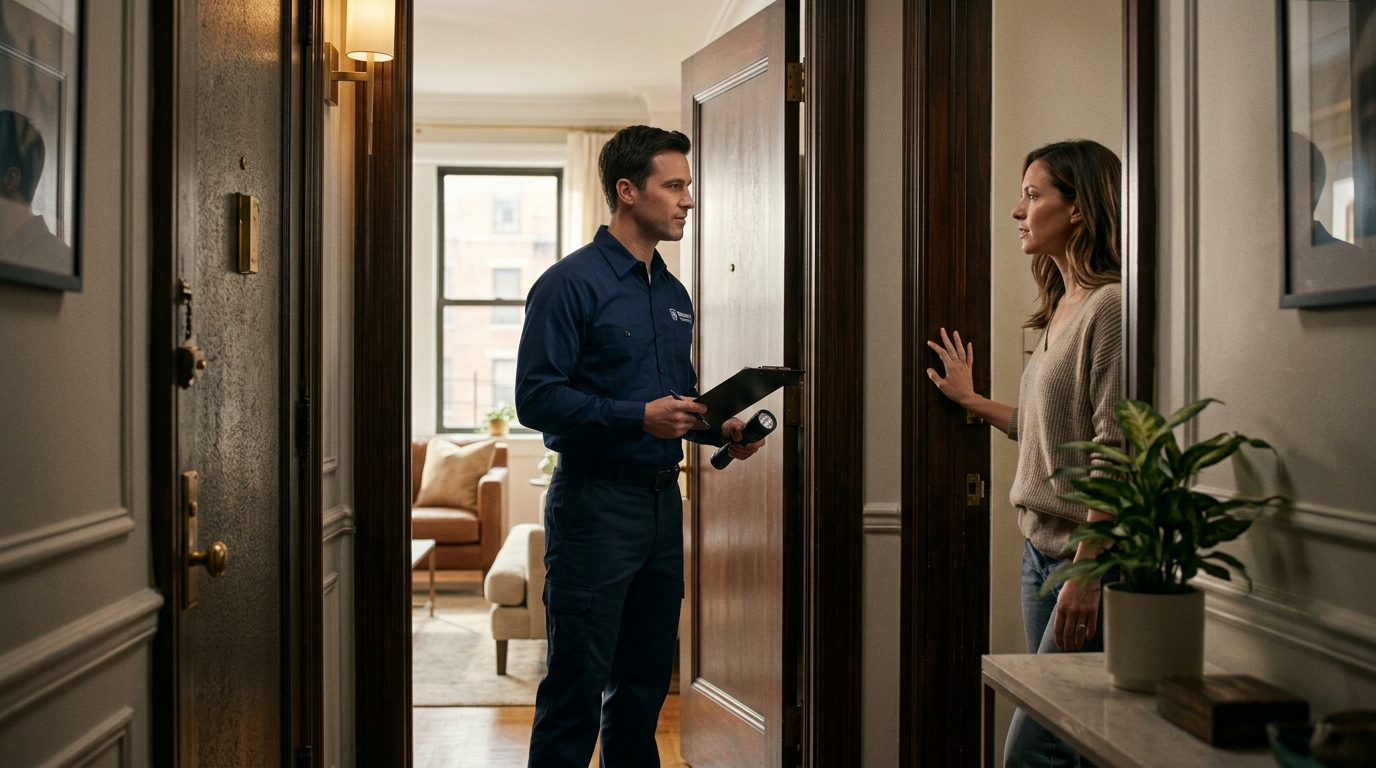
Bed Bug Prevention and Treatment Protocol for Apartment Building Managers
Bed bug infestations represent a critical operational risk for multi-tenant residential buildings in New York City. According to recent industry data, the average cost of a single bed bug treatment can exceed $1,000 per unit, with total building-wide remediation often reaching tens of thousands of dollars. Beyond the financial impact, these outbreaks trigger severe regulatory scrutiny under HPD and DOH guidelines, potentially leading to fines and reputational damage that directly affects property valuation. For building managers, establishing a proactive, documented protocol is not merely a maintenance task; it is a legal and financial imperative. (Broadway Pest Services Urban)
Understanding the Modern Bed Bug Threat
Bed bugs are small, parasitic insects that feed on the blood of humans and animals. They are masters of concealment, hiding in cracks, crevices, and furniture during the day. Bed bug infestations are not a sign of poor hygiene; they are a result of increased global travel and the insects' growing resistance to common pesticides. For apartment managers, the primary challenge is containment. A single untreated unit can serve as a source for re-infestation across an entire building. (NYC Pest Control FAQ)
The threat landscape in NYC is unique. High-density living facilitates rapid spread through wall voids, electrical outlets, and plumbing chases. Furthermore, the rise of private equity-owned properties has changed the dynamic of pest control management. Many large firms prioritize cost-cutting over thorough eradication, leading to recurring issues. Broadway Pest remains independently owned and operated, ensuring that the same technicians who understand your building's specific vulnerabilities continue to manage the account. This continuity is critical for long-term success. (Broadway Pest Services Urban)
Understanding the biology of the pest is the first step in prevention. Bed bugs are nocturnal and attracted to body heat and carbon dioxide. They can survive for months without feeding, making them resilient against temporary neglect. This biological reality necessitates a protocol that is both aggressive in treatment and consistent in monitoring.
Prevention Strategies for Multi-Tenant Buildings
Prevention is significantly more cost-effective than eradication. Building managers must implement a multi-layered defense strategy that addresses both the physical infrastructure and the human element of tenant behavior.
Physical Barriers and Structural Integrity
The first line of defense is the building envelope. Cracks in baseboards, gaps around electrical outlets, and openings around pipes provide highways for bed bugs to travel between units. Regular structural inspections should identify and seal these entry points. Sealing cracks and crevices is a fundamental IPM (Integrated Pest Management) practice that reduces harborage sites and limits movement.
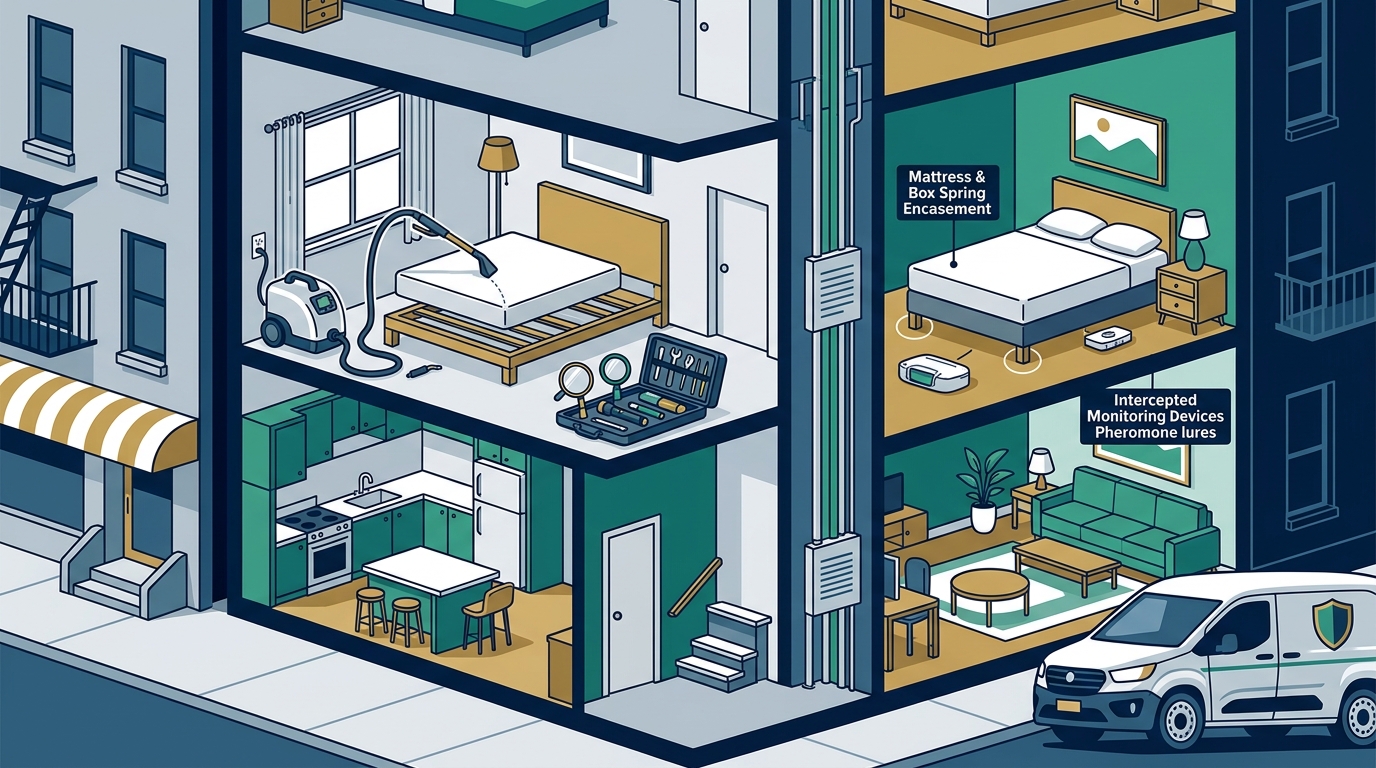
For older buildings, consider installing bed bug-proof encasements on mattresses and box springs in common areas or vacant units. These encasements trap any existing bugs inside, preventing them from feeding and eventually dying, while also preventing new bugs from entering. This is a low-cost, high-impact preventive measure.
Vendor Management and IPM
Not all pest control vendors are created equal. Many generic services rely on blanket spraying, which is ineffective against modern bed bug populations and poses health risks to tenants. Broadway Pest utilizes a tactical IPM approach, focusing on targeted treatments and non-chemical methods where possible. This includes the use of heat treatment, which is considered the gold standard for eradication. Heat treatment raises the temperature of the infested area to levels lethal to bed bugs at all life stages, without the use of harsh chemicals.
When selecting a vendor, ensure they are QualityPro certified and familiar with NYC-specific regulations. Look for a partner who provides 24/7 service logs and digital documentation. This transparency is crucial for defending against HPD violations and demonstrating due diligence.
Early Detection and Inspection Protocols
Early detection is the single most important factor in controlling an outbreak. The longer an infestation goes unnoticed, the more expensive and difficult it becomes to resolve. Building managers must establish a routine inspection schedule that includes both proactive checks and reactive responses.
Proactive Inspection Schedule
Implement a quarterly inspection protocol for all units, with a focus on high-risk areas. These include bedrooms, living rooms, and areas where tenants spend extended periods of time. Inspect mattress seams, box springs, headboards, and furniture joints. Use a flashlight and a credit card to probe crevices. Look for live bugs, shed skins, and fecal spots (small dark dots).
For vacant units, conduct monthly inspections. Vacant units are often the first to become infested from neighboring units and the last to be reported by tenants. Keeping these units pest-free is essential for maintaining the overall health of the building.
Reactive Response to Tenant Reports
When a tenant reports a potential bed bug issue, respond immediately. Delaying inspection allows the population to grow exponentially. Dispatch a certified technician within 24 hours. Use trained canine teams for high-confidence detection. Dogs can identify bed bugs with over 95% accuracy, far surpassing the human eye. This technology reduces false positives and ensures that treatment is targeted and effective.
Document every inspection and report. Digital service logs provide an indisputable record of your actions, which is vital for legal protection and tenant relations.
Treatment Procedures and Compliance
Treatment must be comprehensive and coordinated. Treating a single unit in isolation is rarely successful in multi-tenant buildings. A building-wide approach is often necessary to prevent re-infestation.
Heat Treatment vs. Chemical Treatment
Heat treatment is the most effective method for bed bug eradication. It involves raising the temperature of the room to 120-135 degrees Fahrenheit for several hours. This kills bed bugs, eggs, and nymphs instantly. It is also chemical-free, making it safe for tenants with allergies or sensitivities. However, it requires significant preparation by the tenant, including removing heat-sensitive items.
Chemical treatments, when used, should be part of an IPM plan. This includes the application of residual insecticides in cracks and crevices, as well as the use of desiccants like diatomaceous earth. Avoid blanket spraying, which is ineffective and environmentally harmful. Broadway Pest’s tactical approach ensures that treatments are precise and compliant with DOH standards.
Regulatory Compliance
New York City has strict regulations regarding pest control in residential buildings. Building managers must comply with HPD (Department of Housing Preservation and Development) and DOH (Department of Health and Mental Hygiene) guidelines. This includes providing tenants with written notice of treatment, ensuring tenant cooperation, and maintaining detailed records of all pest control activities.
Failure to comply can result in significant fines and legal liability. For example, a single DOH violation can cost more than a year of pest control services. Ensure that your vendor is HPD ready and can provide the necessary documentation to defend against violations.
Tenant Communication and Education
Tenant cooperation is essential for successful bed bug management. Many tenants are unaware of how bed bugs spread or how to identify them. Education and clear communication can prevent outbreaks from escalating.
Educational Materials
Provide tenants with clear, easy-to-understand materials on bed bug prevention. This should include information on how to inspect their homes, what to look for, and how to report issues. Emphasize that bed bugs are not a reflection of cleanliness. Reduce stigma by framing the issue as a common urban challenge that requires collective action.
Clear Reporting Protocols
Establish a simple, accessible reporting protocol. Tenants should know exactly who to call and what information to provide. Encourage early reporting by assuring tenants that the building management will handle the issue promptly and professionally. Avoid blaming tenants, as this can lead to underreporting and larger outbreaks.
Pre-Treatment Preparation
When treatment is scheduled, provide tenants with detailed preparation instructions. This may include laundering bedding, vacuuming carpets, and clearing clutter. The more prepared the tenant is, the more effective the treatment will be. Offer assistance with preparation if needed, such as providing bags or cleaning supplies.
Key Takeaways
- Independence Matters: Broadway Pest has been independently owned since 1970, ensuring consistent service standards without the pressure of private equity rollups.
- Speed is Critical: Emergency response time is less than 4 hours, which is vital for containing bed bug outbreaks in dense NYC buildings.
- Digital Documentation: 100% of service logs are digital, providing real-time transparency and legal protection for building managers.
- Green Fleet: The fleet includes 5 of 6 vehicles that are all-electric or hybrid, including an Arcimoto FUV for rapid Manhattan deployment.
- Compliance Ready: Services are DOH and HPD ready, ensuring that all treatments meet NYC regulatory standards.
- QualityPro Certified: The company holds QualityPro certification, a mark of excellence in the pest control industry.
- MWBE Certified: As a Minority/Women-Owned Business Enterprise, Broadway Pest offers diverse contracting opportunities for city projects.
Frequently Asked Questions
How quickly can Broadway Pest respond to a bed bug emergency?
Broadway Pest offers same-day exterminator response across all five boroughs, with emergency response times under 4 hours for critical situations.
Is heat treatment safe for my tenants?
Yes, heat treatment is chemical-free and safe for tenants, including those with allergies. It requires tenants to remove heat-sensitive items, but it is the most effective eradication method.
How do I defend against HPD violations?
By maintaining documented IPM programs and service logs that hold up in any proceeding. Broadway Pest provides 24/7 digital service logs to ensure compliance.
Does Broadway Pest serve residential buildings?
Yes, Broadway Pest provides tactical pest control for both commercial and residential properties, including multi-tenant apartment buildings.
What is IPM?
Integrated Pest Management (IPM) is a comprehensive approach that combines biological, cultural, physical, and chemical tools to manage pests in an environmentally sensitive way.
Are your technicians certified?
Yes, all technicians are certified and undergo regular training to stay current with the latest pest control technologies and regulations.
How can I schedule a free assessment?
You can deploy a free assessment by calling (212) 663-2100 or visiting the client portal to request a consultation.
Secure Your Property
Do not wait for an outbreak to damage your property’s reputation and bottom line. Partner with NYC’s commercial pest authority for proactive, compliant, and decisive bed bug management. Broadway Pest offers tailored IPM programs for apartment building managers. Deploy a Free Assessment today to protect your tenants and your investment.