
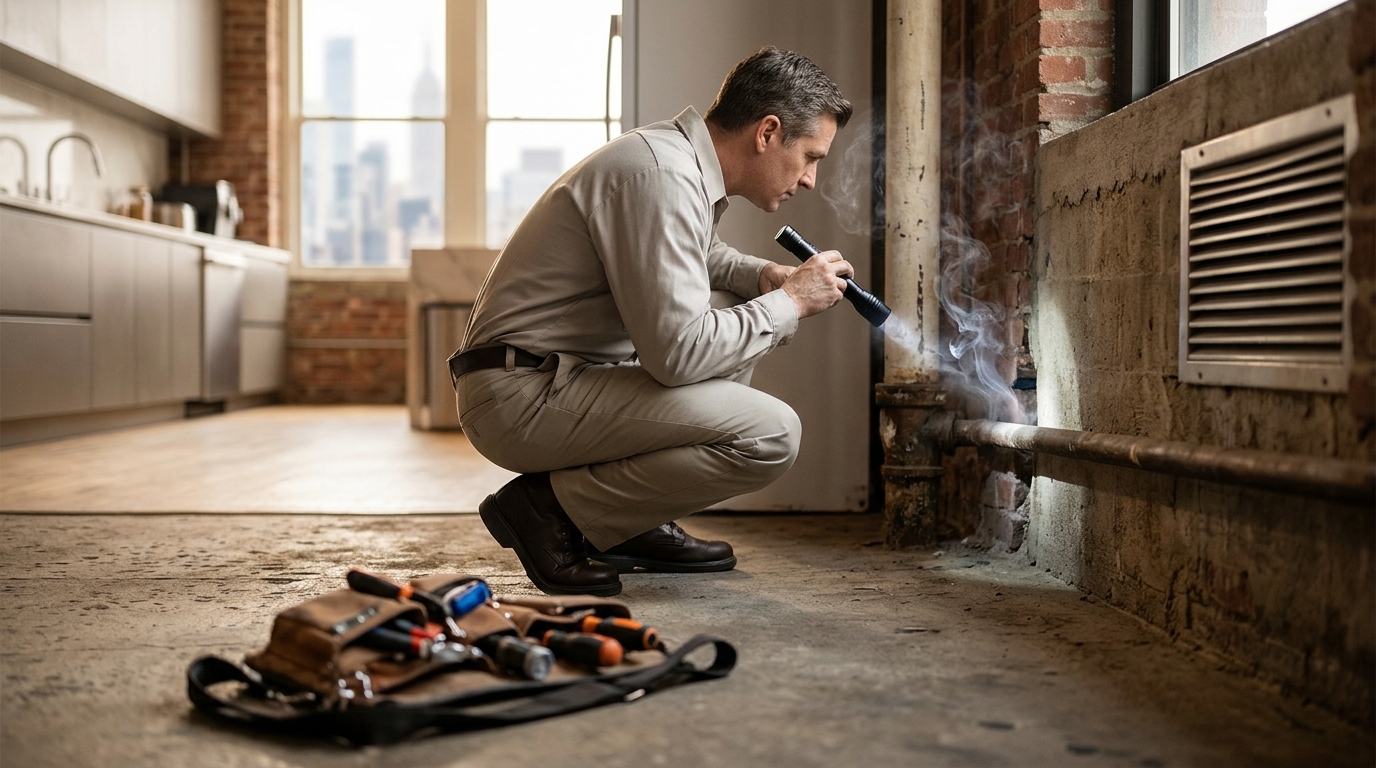
Identifying Structural Entry Points
The first critical component of a professional inspection is the identification of how pests are entering your space. A standard inspection is a systematic review of the building envelope, including gaps around pipes, cracks in foundations, and unsealed vents. In dense urban environments like New York City, these small openings are the primary highways for rodents and insects. If a provider only treats the visible pests without sealing these entry points, the problem will inevitably return. For additional details, review the Just a moment.
For commercial properties, this structural assessment is vital for maintaining a secure environment. Broadway Pest Services focuses on these physical barriers as part of its tactical management strategy. By documenting exactly where pests are entering, the inspection provides a clear roadmap for exclusion work, which is often more cost-effective than repeated chemical treatments. For additional details, review the Just a moment.
Mapping Active Infestation Zones
A high-quality inspection does not just confirm the presence of pests; it maps the extent of the infestation. This involves identifying active harborage areas, such as behind appliances, inside wall cavities, or within HVAC systems. The goal is to distinguish between a minor, isolated issue and a widespread colony that requires a multi-phase treatment plan. This mapping ensures that the service provider allocates resources to the areas that actually need attention. For additional details, review the Just a moment.
For example, in a commercial kitchen, an inspection might reveal that while the dining area is clear, the grease traps and back-of-house storage units are the primary breeding grounds. By pinpointing these specific zones, Broadway Pest Services can design a treatment protocol that targets the source rather than just the symptoms. This precision is essential for protecting your business operations and ensuring a faster resolution. For additional details, review the Just a moment.
Compliance and Documentation Standards
Professional providers like Broadway Pest Services prioritize accountability by providing detailed reports after every inspection. These documents serve as a record of the condition of your property and the specific actions taken. This level of transparency is a key differentiator in the industry, as it protects you from vague service claims and ensures that you are getting a documented, professional service rather than a generic spray-and-pray approach.
Assessing Environmental Attractants
For instance, an inspection might reveal that a persistent ant problem is linked to a slow leak under a sink that creates a constant moisture source. By identifying and recommending the repair of this leak, the pest control provider is addressing the root cause of the attraction. This holistic view is a hallmark of modern Integrated Pest Management (IPM), which focuses on long-term prevention rather than short-term elimination.
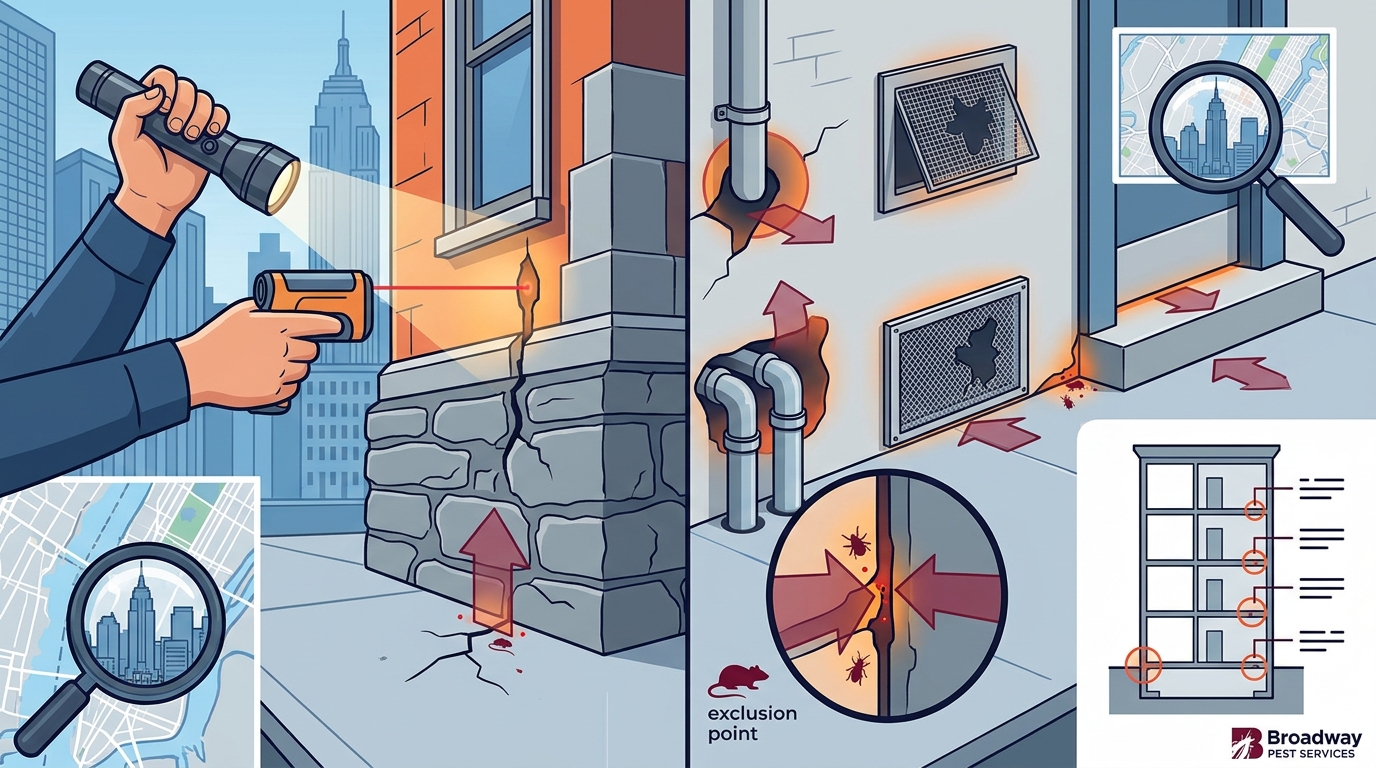
Aligning the Service Plan with Findings
At Broadway Pest Services, we ensure that every service plan is tailored to the unique profile of your building. This alignment between inspection and service is what allows us to protect the licenses, reputations, and tenants of our clients. By committing to a service based on a thorough, data-driven inspection, you are investing in a proactive defense strategy rather than a reactive cleanup. according to Tips for Selecting
Key Takeaways
- A thorough inspection identifies structural entry points, not just visible pests.
- Mapping active infestation zones ensures treatments are targeted at the source.
- Compliance documentation is essential for passing NYC health and housing inspections.
- Environmental factors like moisture and food access are critical to long-term prevention.
- The service plan must directly reflect the specific findings of the initial inspection.
Frequently Asked Questions
How long does a thorough pest control inspection take?
The duration depends on the size and complexity of the property. A standard commercial inspection in New York City typically takes between one to three hours, depending on the number of units and the extent of the suspected infestation.
Do I need to be present during the inspection?
While not always mandatory, it is highly recommended that a property manager or representative be present. This allows you to ask questions, point out specific problem areas, and review the findings in real-time.
What is the difference between an inspection and a treatment?
An inspection is a diagnostic process to identify the type, extent, and cause of a pest problem. A treatment is the application of control measures based on the findings of that inspection. You should often have an inspection before committing to a treatment plan. according to Tips for Selecting
How often should I schedule inspections for a commercial property?
For most commercial properties in NYC, quarterly inspections are recommended to maintain compliance and prevent seasonal surges in pest activity. High-risk environments, such as food service establishments, may require more frequent monitoring.
Can I use the inspection report for my own records?
Yes. A professional inspection report is a valuable document for your property records. It can be used to demonstrate due diligence to tenants, investors, and regulatory bodies.