
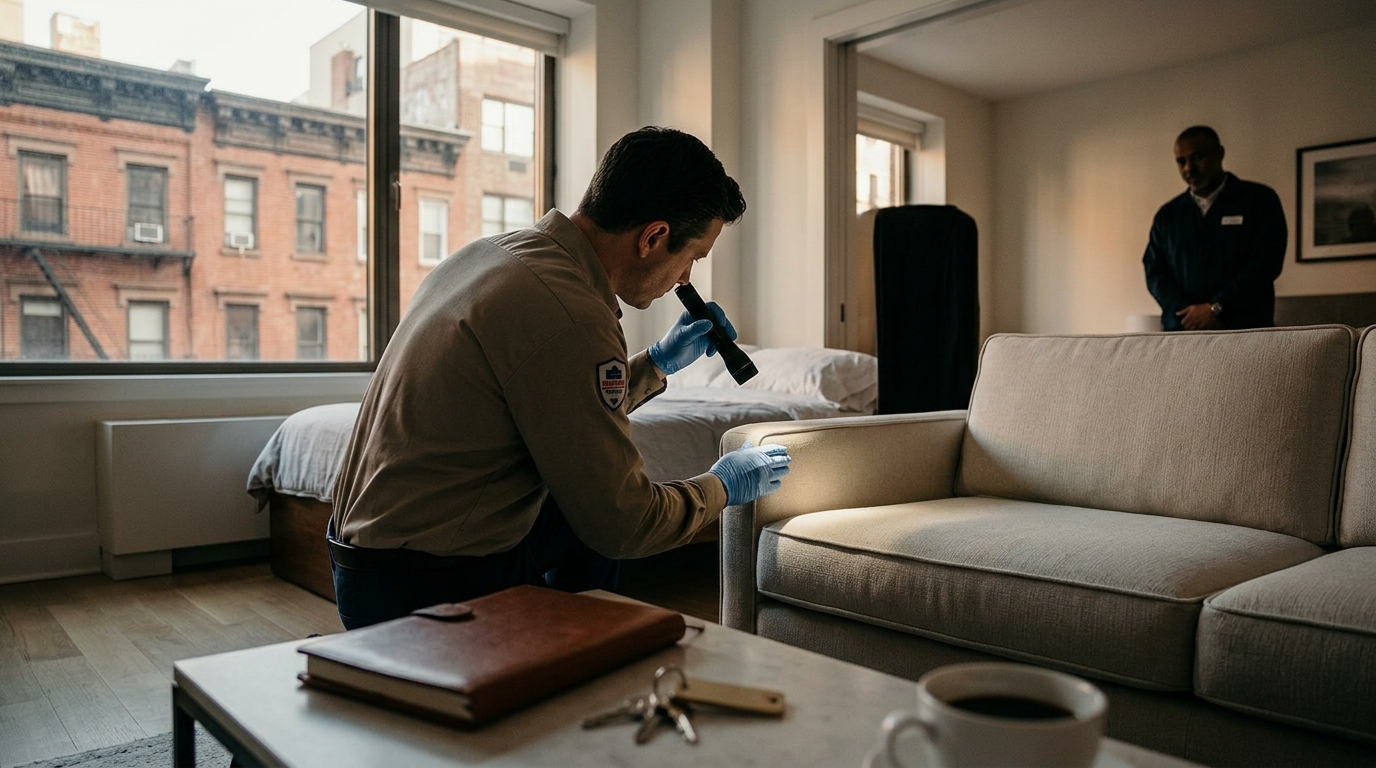
Bed bug infestations in multi-unit residential buildings are no longer isolated incidents but systemic operational challenges that threaten property value and tenant safety. According to recent industry data, the average cost of a single bed bug treatment in New York City ranges from $500 to $2,000 per unit, with total building-wide remediation often exceeding $50,000 when cross-contamination occurs. This financial reality underscores why generic pest control methods fail in dense urban environments. Effective management requires a coordinated, intelligence-driven approach that prioritizes prevention, rapid response, and strict regulatory compliance. For property managers and building owners, understanding the tactical nuances of bed bug control is not just about extermination; it is about protecting the asset and maintaining tenant trust. (Broadway Pest Services Urban)
Why Generic Pest Control Fails in Multi-Unit Buildings
Multi-unit residential properties present a unique ecosystem for pest proliferation. Unlike single-family homes, these buildings function as interconnected networks where pests travel through wall voids, utility penetrations, and shared laundry facilities. A standard quarterly spray schedule is insufficient for this dynamic environment. Bed bugs, specifically Cimex lectularius, are masters of hitchhiking and can migrate between units via electrical outlets, plumbing stacks, and even through cracks in shared walls.
Generic pest control providers often lack the specialized training required for urban tactical pest control. They may rely on broad-spectrum insecticides that provide temporary relief but fail to address the root cause of the infestation. This approach leads to recurring problems, tenant dissatisfaction, and potential legal liability. In contrast, a specialized provider treats pest control as an operational mission, focusing on documentation, compliance, and decisive action.
Furthermore, the rise of pesticide-resistant bed bug strains necessitates a more sophisticated approach. Over-reliance on a single chemical class can render treatments ineffective within months. This is why independent, specialized firms that invest in continuous training and advanced detection technologies are critical for long-term success. They understand that bed bug management is not a one-time event but an ongoing process of monitoring and intervention.
The IPM Framework for Residential Complexes
Integrated Pest Management (IPM) is the gold standard for controlling bed bugs in multi-unit buildings. IPM is a comprehensive, environmentally sensitive approach to pest control that relies on a combination of techniques, including inspection, monitoring, and targeted treatment. IPM is a strategic framework that prioritizes prevention and minimizes the use of chemicals to protect human health and the environment.
At the core of an effective IPM program is rigorous inspection. This involves using trained dogs or certified detection dogs to identify infestations before they become visible to the naked eye. Early detection is crucial because it allows for targeted treatment of only the affected units, reducing costs and disruption. Regular monitoring using interceptors and visual checks helps track the progress of the treatment and ensures that the infestation is fully eradicated.
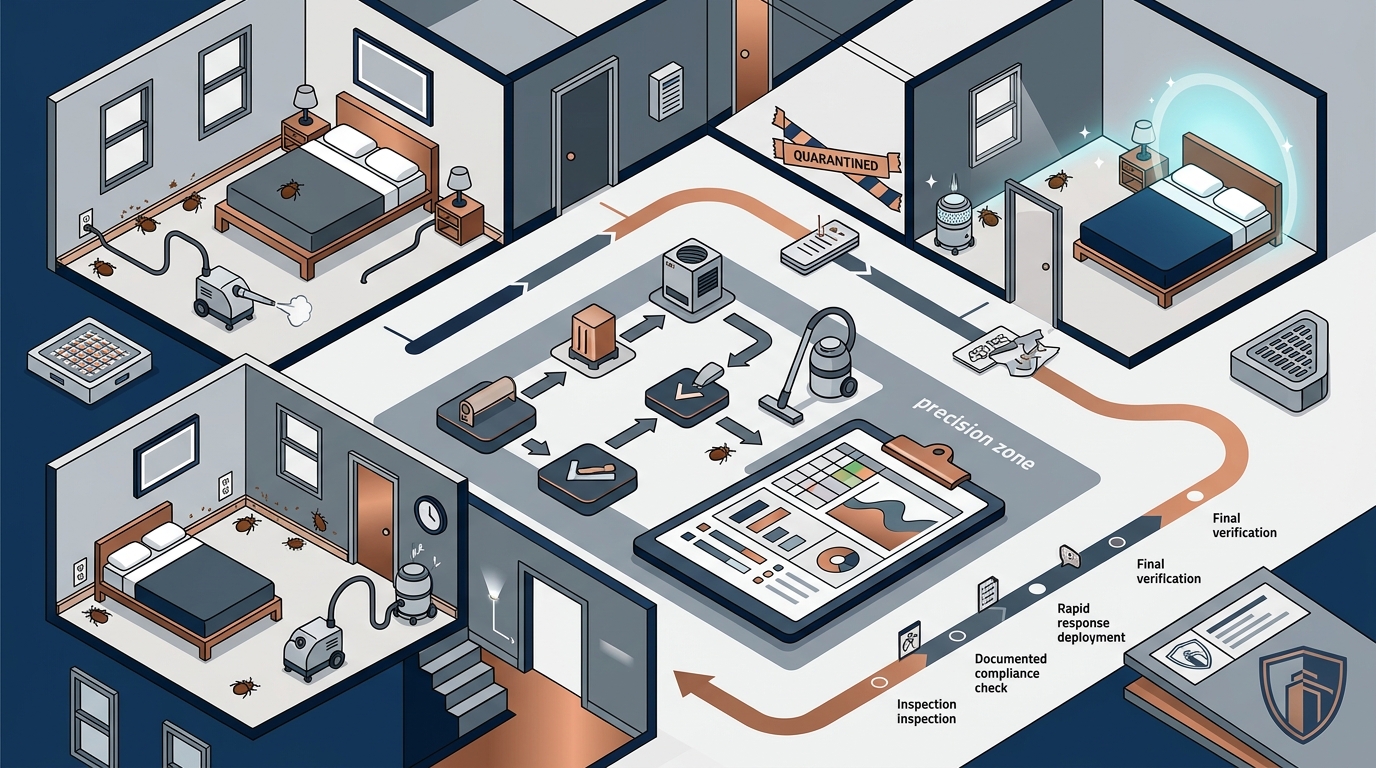
Treatment strategies under IPM are multi-modal. They may include heat treatment, steam cleaning, vacuuming, and the precise application of EPA-registered insecticides. Heat treatment, in particular, has become a preferred method for its ability to penetrate deep into wall voids and furniture, killing all life stages of bed bugs without the need for residual chemicals. This method is especially effective in multi-unit buildings where cross-contamination is a significant risk.
Documentation is another critical component of IPM. Detailed service logs, treatment records, and communication with tenants are essential for maintaining compliance and building trust. These records serve as evidence of due diligence in the event of a regulatory inspection or legal dispute. They also help identify patterns and hotspots within the building, allowing for more targeted prevention efforts.
Navigating NYC DOH and HPD Regulations
New York City has strict regulations governing pest control in residential buildings. The Department of Health and Mental Hygiene (DOH) and the Department of Housing Preservation and Development (HPD) enforce these rules to protect public health. Property managers must be well-versed in these requirements to avoid violations and penalties.
One of the most critical regulations is the requirement for landlords to provide a pest-free environment. This includes taking immediate action upon receiving a complaint about bed bugs. Failure to do so can result in significant fines and legal action. Additionally, landlords must provide tenants with information about bed bug prevention and treatment options. This education is vital for tenant cooperation and successful eradication.
HPD also requires that buildings maintain a pest control program that is documented and compliant with local laws. This includes regular inspections, treatment records, and communication logs. Property managers must ensure that their pest control provider is licensed and insured, and that they follow all safety protocols when applying treatments.
Compliance is not just about avoiding penalties; it is about maintaining the integrity of the building and the safety of its residents. A proactive approach to regulatory compliance demonstrates a commitment to quality and responsibility. It also helps to build a positive reputation among tenants and potential buyers, which can enhance property value.
Comparing Treatment Modalities
Selecting the right treatment strategy depends on the severity of the infestation, the building's construction, and tenant preferences. Below is a comparison of common bed bug treatment methods used in multi-unit residential properties.
| Treatment Method | Effectiveness | Pros | Cons | Best For |
|---|---|---|---|---|
| Heat Treatment | High | No chemicals, penetrates voids, fast | Higher upfront cost, requires prep | Severe infestations, sensitive tenants |
| Chemical Treatment | Moderate to High | Cost-effective, residual protection | Odor, potential resistance, prep required | Preventative, mild infestations |
| Steam Treatment | Moderate | Non-toxic, immediate kill | Limited penetration, labor intensive | Furniture, mattresses, spot treatment |
| Diatomaceous Earth | Low to Moderate | Non-toxic, long-lasting | Slow acting, requires precise application | Cracks, crevices, preventative barriers |
Heat treatment is often the most effective solution for multi-unit buildings because it eliminates bed bugs in all life stages, including eggs, which are resistant to many chemicals. It also leaves no residual odor, which is a significant advantage for tenant comfort. However, it requires extensive preparation by tenants, including removing items that can melt or be damaged by heat.
Chemical treatments, while cost-effective, must be applied by licensed professionals who understand the latest resistance patterns. They are often used in conjunction with other methods for a comprehensive approach. Steam treatment is useful for spot-treating furniture and mattresses, providing immediate relief without chemicals. Diatomaceous earth can be used as a preventative barrier in cracks and crevices, but it must be applied correctly to be effective.
The choice of treatment should be based on a thorough assessment of the infestation and the building's specific needs. A specialized provider can offer a customized plan that balances effectiveness, cost, and tenant impact.
The Role of Tenant Education and Cooperation
Tenant cooperation is essential for successful bed bug eradication. Without their active participation, even the most advanced treatment strategies can fail. Tenants must be educated about bed bug identification, prevention, and the importance of following treatment protocols.
Education should begin before an infestation occurs. Regular communications about bed bug prevention, such as how to inspect second-hand furniture and how to use mattress encasements, can reduce the risk of introduction. When an infestation is detected, clear and timely communication is critical. Tenants need to understand why treatment is necessary and what their role is in the process.
Treatment protocols often require tenants to prepare their units, which can include laundering bedding, vacuuming, and removing clutter. Providing clear, step-by-step instructions and offering assistance can increase compliance. It is also important to address tenant concerns about safety and efficacy, providing evidence-based information to alleviate fears.
Building trust through transparency and consistent communication fosters a collaborative environment. When tenants feel supported and informed, they are more likely to cooperate, leading to faster and more successful eradication. This collaborative approach also helps to prevent future infestations by empowering tenants with the knowledge to protect their homes.
Key Takeaways
- Specialized Expertise is Critical: Generic pest control methods are insufficient for multi-unit buildings; tactical, IPM-based strategies are required.
- Early Detection Saves Money: Using detection dogs and regular monitoring can identify infestations before they spread, reducing remediation costs.
- Regulatory Compliance is Non-Negotiable: NYC DOH and HPD regulations mandate proactive pest management and documentation to protect tenant health.
- Tenant Cooperation is Essential: Education and clear communication are vital for successful treatment and prevention.
- Heat Treatment is Highly Effective: For severe infestations, heat treatment offers a chemical-free, comprehensive solution.
- Independent Providers Offer Accountability: Independently owned firms like Broadway Pest Services maintain consistent standards without the pressure of corporate rollups.
- Documentation Protects the Asset: Detailed service logs and treatment records are crucial for legal protection and regulatory compliance.
Frequently Asked Questions
How quickly can bed bugs be eradicated in a multi-unit building?
Eradication timelines vary based on the severity of the infestation and the treatment methods used. Typically, a comprehensive treatment plan can take 2 to 6 weeks to fully resolve an infestation, with follow-up inspections to ensure success.
Is heat treatment safe for tenants and their belongings?
Heat treatment is generally safe when conducted by licensed professionals. However, tenants must prepare their units by removing items that can be damaged by high temperatures, such as certain plastics and electronics.
What are the NYC regulations for bed bug management in rental buildings?
NYC DOH and HPD require landlords to maintain a pest-free environment, respond promptly to complaints, and provide tenants with information on bed bug prevention. Detailed records of treatments and communications must be kept.
Can bed bugs spread through HVAC systems?
While bed bugs do not typically travel through HVAC systems, they can move through wall voids, utility penetrations, and shared laundry facilities. Sealing these entry points is a key part of prevention.
Why is tenant education important for bed bug control?
Tenant education ensures that residents understand how to identify bed bugs, prevent their introduction, and cooperate with treatment protocols. This collaboration is essential for successful eradication and prevention.
What is the cost of bed bug treatment in NYC?
Costs vary widely depending on the size of the unit and the severity of the infestation. On average, a single unit treatment can range from $500 to $2,000, with building-wide programs costing significantly more.
How does Broadway Pest Services differ from other providers?
Broadway Pest Services is independently owned and operated, focusing on tactical, IPM-based strategies for commercial and residential clients. They offer same-day response, digital documentation, and a green fleet for rapid urban deployment.
Secure Your Property Today
Protecting your multi-unit residential property from bed bugs requires a proactive, specialized approach. Do not wait for an infestation to become a crisis. Contact Broadway Pest Services for a free assessment and deploy a tactical pest control strategy that ensures compliance, tenant satisfaction, and long-term asset protection. Visit our Client Portal to manage your service logs or call (212) 663-2100 to schedule a same-day response. For more information on our services, explore our Commercial Sectors page.