

Restaurant staff are the first line of defense against rodent infestations. Effective prevention requires daily vigilance, proper sanitation, and immediate reporting of structural gaps. Broadway Pest Services emphasizes that trained employees can stop rodents before they establish a colony, protecting your DOH grade and business reputation. according to Disease Problems of
The Critical Role of Daily Vigilance
Staff members who understand rodent behavior can identify early warning signs before a full-blown infestation occurs. Rodents are nocturnal and avoid light, meaning they often go unnoticed until populations grow significantly. A single mouse can enter through a gap as small as a quarter inch, making visual inspection of entry points essential.
Employees should be trained to look for specific indicators during their shifts. These include fresh droppings, gnaw marks on packaging, and grease stains along walls where rodents travel. By recognizing these signs early, staff can alert management to potential issues before they escalate into health department violations.
Sanitation Protocols That Deter Rodents
Proper food storage and waste management are the most effective non-chemical deterrents for rodents. Rodents are driven by three primary needs: food, water, and warmth. Busy restaurants provide all three, but strict sanitation protocols can remove the food and water incentives that attract them.
Staff must follow specific guidelines to minimize attractants. Food should be stored in sealed, rodent-proof containers rather than open boxes or bags. Trash cans should have tight-fitting lids and be emptied regularly. Mop sinks and dish areas should be dried at the end of each shift to eliminate standing water. These simple actions significantly reduce the appeal of the kitchen environment to rodents.
Identifying and Reporting Structural Vulnerabilities
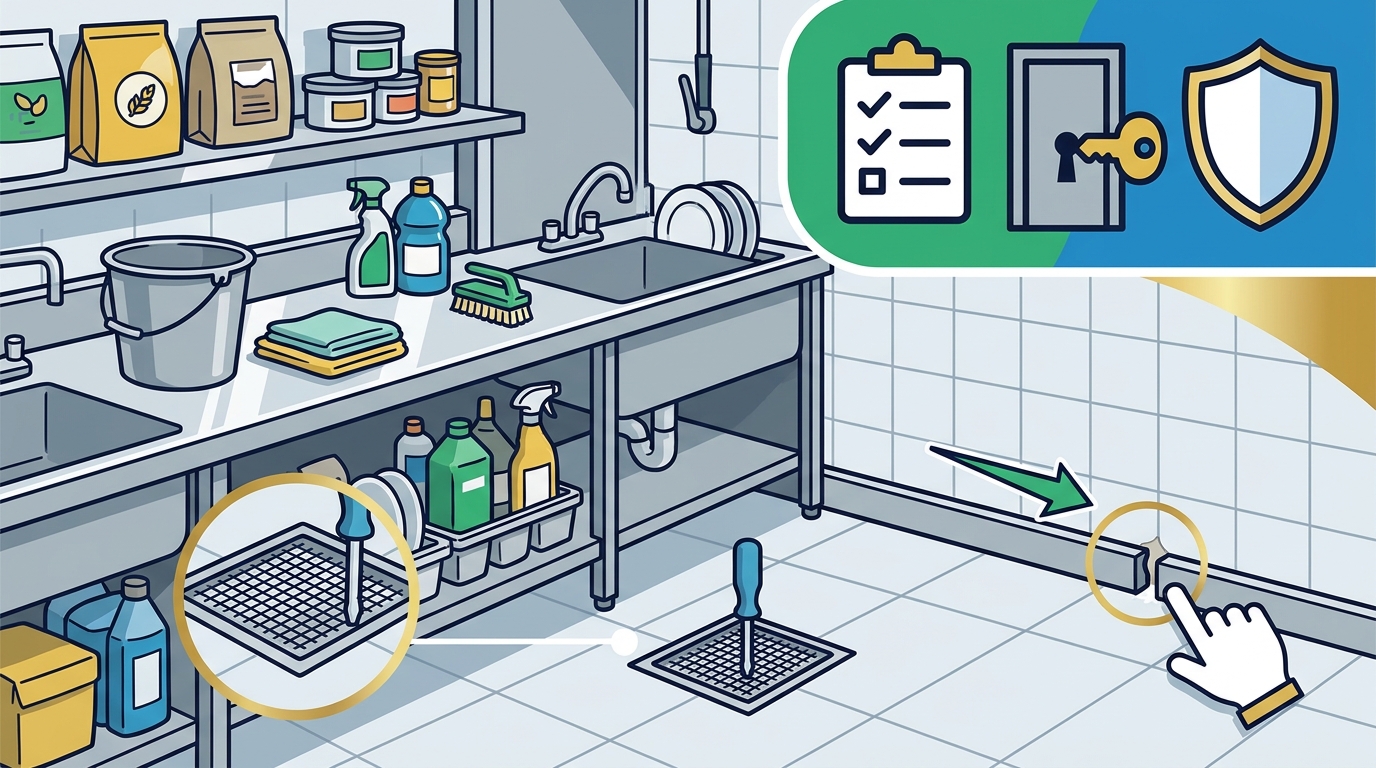
NYC buildings, particularly older structures, often have gaps and cracks that provide easy entry for rodents. Staff should be trained to identify common entry points, such as gaps around pipes, under doors, and through floor drains. Reporting these vulnerabilities to management allows for timely exclusion work to seal off access points.
Exclusion is the most effective long-term solution for rodent control. It involves physically sealing entry points with appropriate materials like copper mesh or caulk. By identifying and reporting structural gaps, staff contribute to a comprehensive prevention strategy that addresses the root cause of infestations rather than just treating symptoms. according to Disease Problems of
Understanding the Consequences of Negligence
Ignoring rodent activity can have severe consequences for a restaurant's operations and reputation. A single rodent sighting during a DOH inspection can result in a significant grade deduction, leading to lost business and damaged credibility. In severe cases, rodent activity can trigger immediate closure orders, causing substantial financial losses.
Staff awareness of these consequences fosters a culture of accountability and proactive prevention. When employees understand the direct link between their daily practices and the restaurant's compliance status, they are more likely to adhere to sanitation protocols and report potential issues promptly. This collective responsibility is crucial for maintaining a safe and compliant food service environment.
Building a Culture of Prevention
Effective rodent prevention requires a shift in mindset from reactive extermination to proactive management. Broadway Pest Services recommends integrating rodent awareness into regular staff training and onboarding processes. This ensures that all team members, from line cooks to managers, understand their role in protecting the establishment.
By empowering staff with knowledge and clear protocols, restaurants can create a robust defense against rodent infestations. This approach not only protects the business from regulatory penalties but also enhances overall food safety and operational efficiency. A well-trained team is the most valuable asset in maintaining a rodent-free environment.
Key Takeaways
- Staff are the first line of defense against rodent infestations.
- Daily vigilance for droppings and gnaw marks is essential.
- Strict sanitation protocols remove food and water attractants.
- Reporting structural gaps enables timely exclusion work.
- Negligence can lead to DOH violations and business closure.
- Training fosters a culture of accountability and prevention.
Frequently Asked Questions
What are the most common signs of a rodent infestation in a restaurant?
Common signs include fresh droppings, gnaw marks on packaging, grease stains along walls, and the presence of live or dead rodents. Staff should be trained to recognize these indicators during their daily inspections.
How can staff help prevent rodents from entering the restaurant?
Staff can help by reporting structural gaps, ensuring doors are closed properly, and maintaining strict sanitation protocols. They should also avoid leaving food or water accessible outside of service hours.
What is the role of exclusion in rodent prevention?
Exclusion involves physically sealing entry points to prevent rodents from entering the building. It is the most effective long-term solution and should be performed by professional pest control technicians.
How often should staff inspect for rodent activity?
Staff should inspect for rodent activity daily, particularly in high-risk areas like kitchens, storage rooms, and basements. Regular inspections help identify early warning signs before they escalate.
What should staff do if they spot a rodent?
Staff should immediately report the sighting to management and avoid handling the rodent themselves. Management should then contact a professional pest control service for assessment and treatment.
How does staff training contribute to DOH compliance?
Staff training ensures that employees understand and follow sanitation protocols and reporting procedures. This proactive approach helps maintain a compliant environment and reduces the risk of DOH violations.