
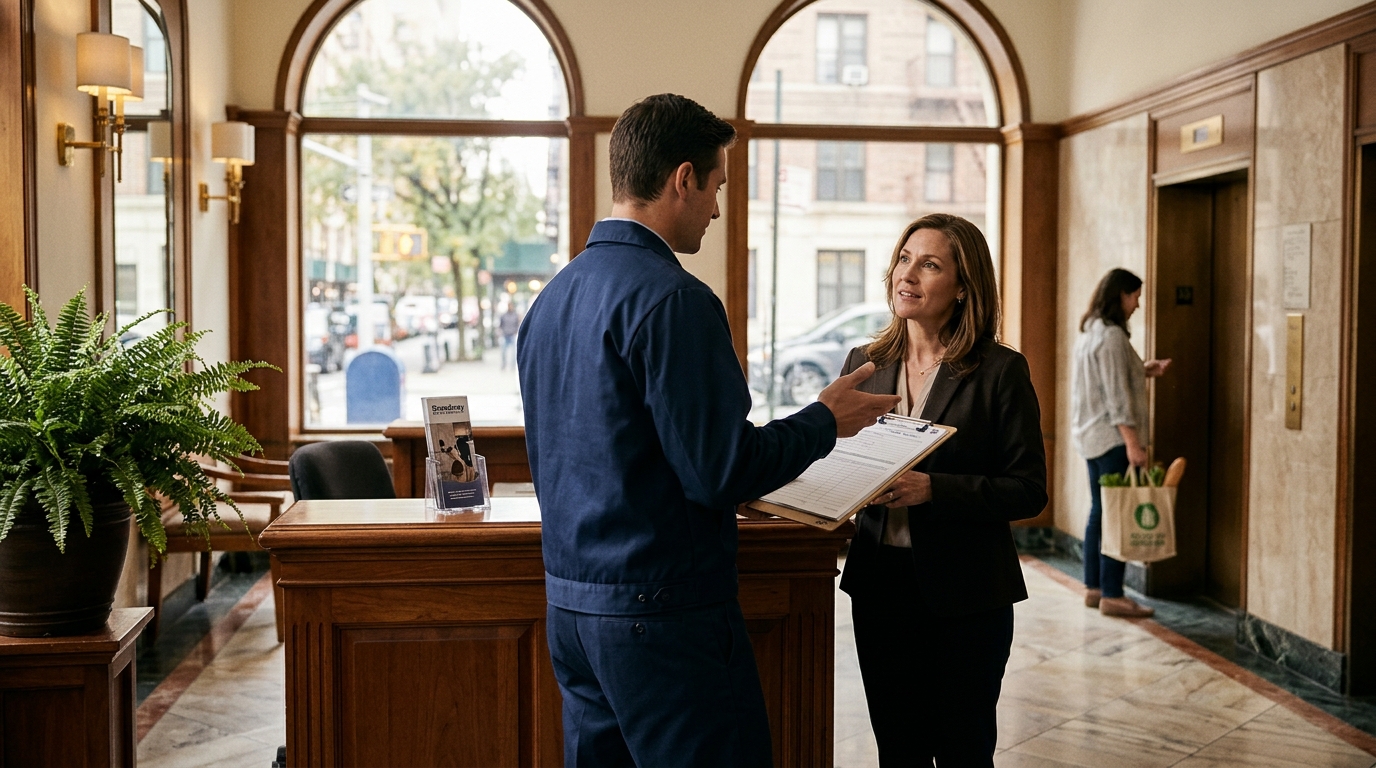
Apartment building managers should expect their pest control partners to possess deep knowledge of multi-family housing structures, regulatory compliance, and integrated pest management (IPM) strategies. Broadway Pest Services provides this specialized expertise, ensuring that complex residential environments remain safe, compliant, and habitable. Effective pest control in dense urban settings requires more than simple chemical application; it demands a strategic approach that addresses the root causes of infestations while protecting tenant health and property value. For additional details, review the Just a moment.
Regulatory Compliance and Legal Liability
Managing a multi-family building in New York City involves navigating a complex web of local and state regulations. Building owners and managers are legally required to maintain their premises free from pests, including mice, rats, roaches, and other insects, as outlined by the NYC Department of Health. A qualified pest control partner must understand these legal obligations and provide documented proof of service to protect the manager from liability. This includes maintaining detailed service logs that satisfy both internal audit requirements and external regulatory inspections. For additional details, review the Just a moment.
Furthermore, the application of pesticides in occupied dwellings is strictly regulated. According to the New York State Department of Health, only certified commercial applicators may apply pesticides to property occupied by tenants. Unlicensed landlords or property managers cannot perform these treatments themselves. Therefore, a manager must verify that their pest control partner employs certified technicians who hold the necessary commercial applicator licenses. This expertise ensures that every treatment is legally defensible and safe for residents. For additional details, review the Just a moment.
Integrated Pest Management (IPM) Strategies
For apartment buildings, this means the partner must be able to identify entry points, such as gaps around pipes or windows, and recommend physical repairs. They should also provide education to tenants on proper waste storage and food handling. By combining these non-chemical methods with precise chemical interventions when necessary, the pest control partner reduces the overall reliance on pesticides. This approach is safer for tenants and more cost-effective for the building manager in the long run. For additional details, review the Just a moment.
Structural Knowledge and Exclusion Techniques
Older apartment buildings, particularly those found in historic districts of New York City, often have unique structural vulnerabilities that modern buildings do not. A specialized pest control expert must understand how pests navigate these structures. For example, rats and mice can enter through small gaps in masonry or around utility lines. The partner should be able to perform a thorough inspection to identify these entry points and recommend appropriate exclusion measures, such as sealing cracks or installing door sweeps.
This structural expertise is critical for preventing recurring infestations. If a pest control company only treats the visible signs of pests without addressing the entry points, the problem will likely return. Broadway Pest Services focuses on these tactical exclusion methods, ensuring that the building envelope is secure. This proactive approach saves managers time and money by reducing the frequency of emergency service calls and the associated disruption to tenants.
Communication and Tenant Relations
Effective pest control in a multi-family setting is as much about communication as it is about chemistry. Tenants are often the first to notice signs of an infestation, and their cooperation is essential for a successful treatment. A professional pest control partner must be able to communicate clearly with tenants, explaining the treatment process, any necessary preparations, and safety precautions. This helps to build trust and reduces anxiety among residents.
Documentation and Reporting
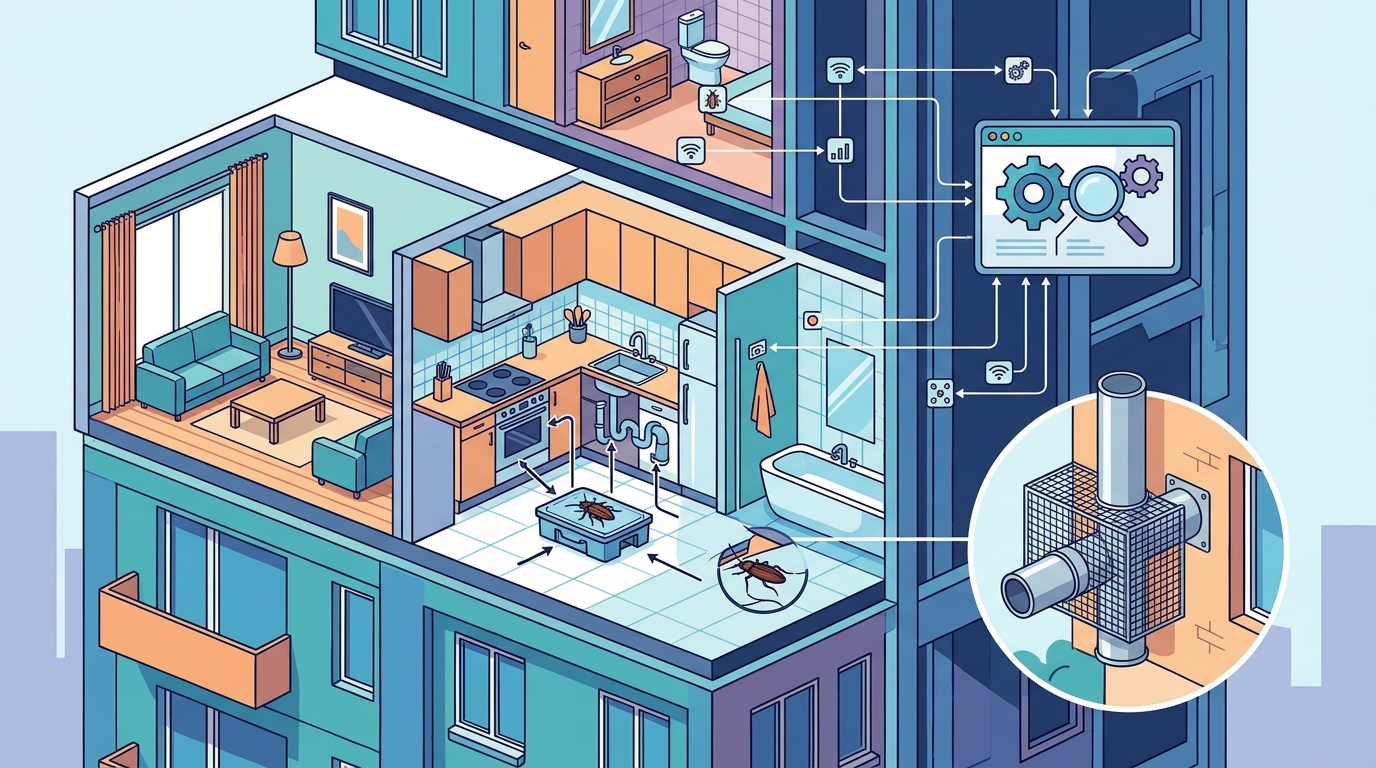
Documentation is a critical component of professional pest control services. Managers need detailed reports that outline the findings of each inspection, the actions taken, and any recommendations for future maintenance. These reports serve as a record of the building's pest control efforts and can be used to demonstrate compliance with local regulations. They also help managers to track trends over time, identifying patterns that may indicate a deeper structural or sanitation issue.
A reliable pest control partner will provide these reports in a timely manner and in a format that is easy to understand. They should be able to highlight any areas that require immediate attention, such as a significant rodent activity or a recurring roach infestation. This data-driven approach allows managers to make informed decisions about maintenance and budgeting. It also helps to justify the cost of ongoing pest control services to building owners or investors.
Key Takeaways
- Verify that your pest control partner employs certified commercial applicators who are legally authorized to treat occupied dwellings.
- Look for a partner who implements Integrated Pest Management (IPM) strategies, combining prevention, sanitation, and targeted treatments.
- Ensure the partner has expertise in structural exclusion techniques to address entry points in older or complex building structures.
- Require detailed documentation and reporting to maintain compliance records and track pest activity trends over time. according to Pest Control Resources
- Partner with a company that understands local regulations, such as those from the NYC Department of Health, to protect your legal liability.
Frequently Asked Questions
What is the difference between IPM and traditional pest control?
Integrated pest management (IPM) is a long-term strategy that focuses on preventing pests through sanitation, exclusion, and monitoring, using chemicals only as a last resort. Traditional pest control often relies primarily on chemical applications to eliminate pests after they have already infested the building.
Who is legally allowed to apply pesticides in a tenant's apartment?
Only certified commercial pesticide applicators are legally allowed to apply pesticides in occupied dwelling units. Landlords, property managers, or building superintendents who are not certified cannot perform these treatments themselves.
How often should a pest control partner inspect an apartment building?
The frequency of inspections depends on the building's history and current pest pressure. However, regular monthly or quarterly inspections are common for multi-family buildings to ensure early detection and prevention of infestations.
What should I look for in a pest control report?
Can a pest control partner help with tenant education?
Yes, a professional pest control partner should provide educational materials and guidance to tenants on how to prevent pests, such as proper food storage and waste disposal. This cooperation is essential for the success of any pest management program.