
Emergency Pest Control Response Protocol Before Health Inspections
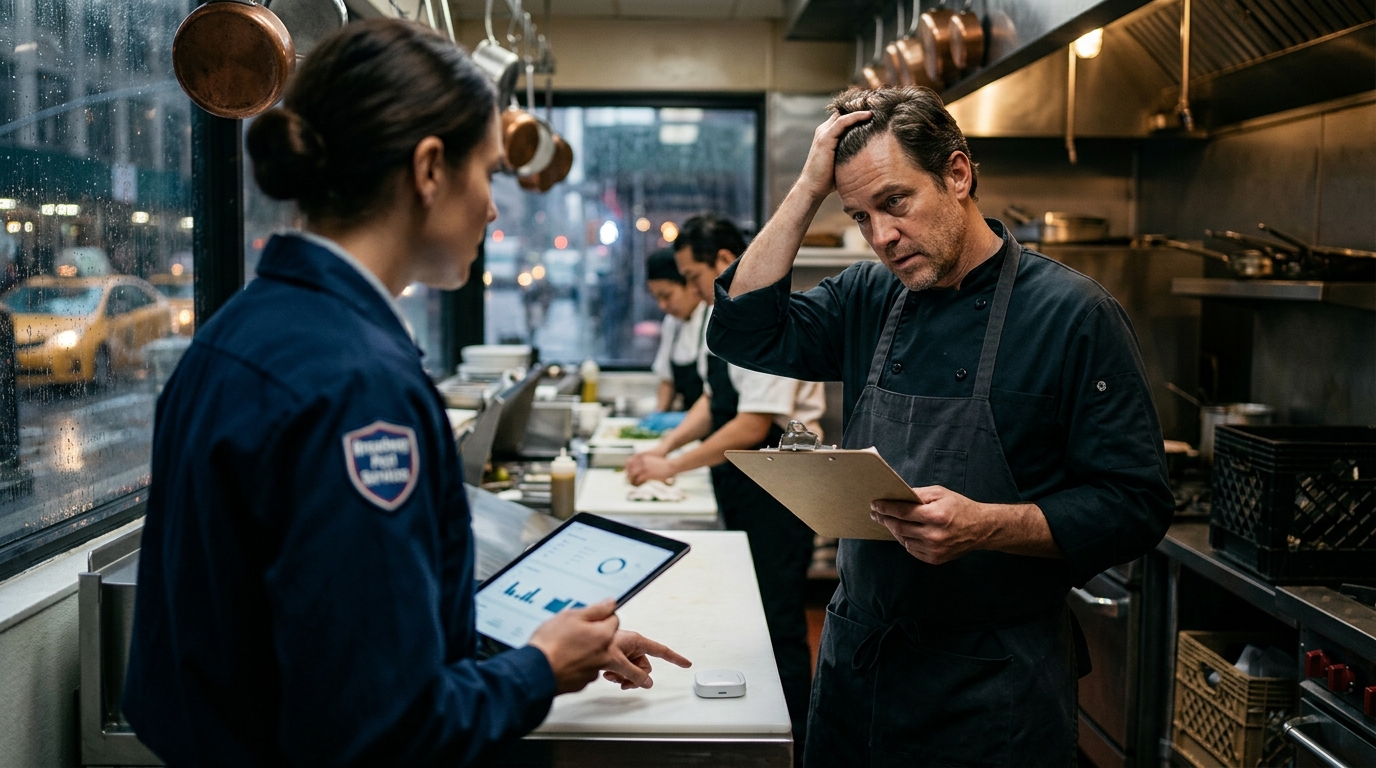
Restaurant owners in New York City face a unique operational reality where a single pest sighting can trigger immediate closure. Broadway Pest Services has documented that a single Department of Health (DOH) violation often costs more than a full year of proactive pest management. This financial disparity makes an emergency response protocol not just a safety measure, but a critical business continuity strategy. When an inspection is imminent, the margin for error vanishes, requiring immediate, documented, and decisive action.
Understanding the Stakes of DOH Inspections
New York City's food safety regulations are among the most rigorous in the United States. The Department of Health and Mental Hygiene (DOHMH) conducts unannounced inspections to ensure establishments meet strict sanitation standards. According to NYC DOH guidelines, any evidence of live pests, droppings, or rodent activity results in an immediate failing grade. This grade is publicly posted and can devastate customer trust and revenue.
The concept of Integrated Pest Management (IPM) is central to modern compliance. IPM is a comprehensive approach to pest management that combines biological, cultural, physical, and chemical tools in a way that minimizes economic, health, and environmental risks. For commercial kitchens, this means moving beyond reactive spraying to proactive exclusion and monitoring. When an inspection is scheduled or anticipated, the protocol shifts from long-term prevention to immediate verification and documentation.
Phase 1: Immediate Assessment and Isolation
The first step in any emergency response is a thorough visual inspection. Do not wait for the inspector to find the problem. Conduct a room-by-room audit of your entire facility, focusing on high-risk zones.
Identify Entry Points
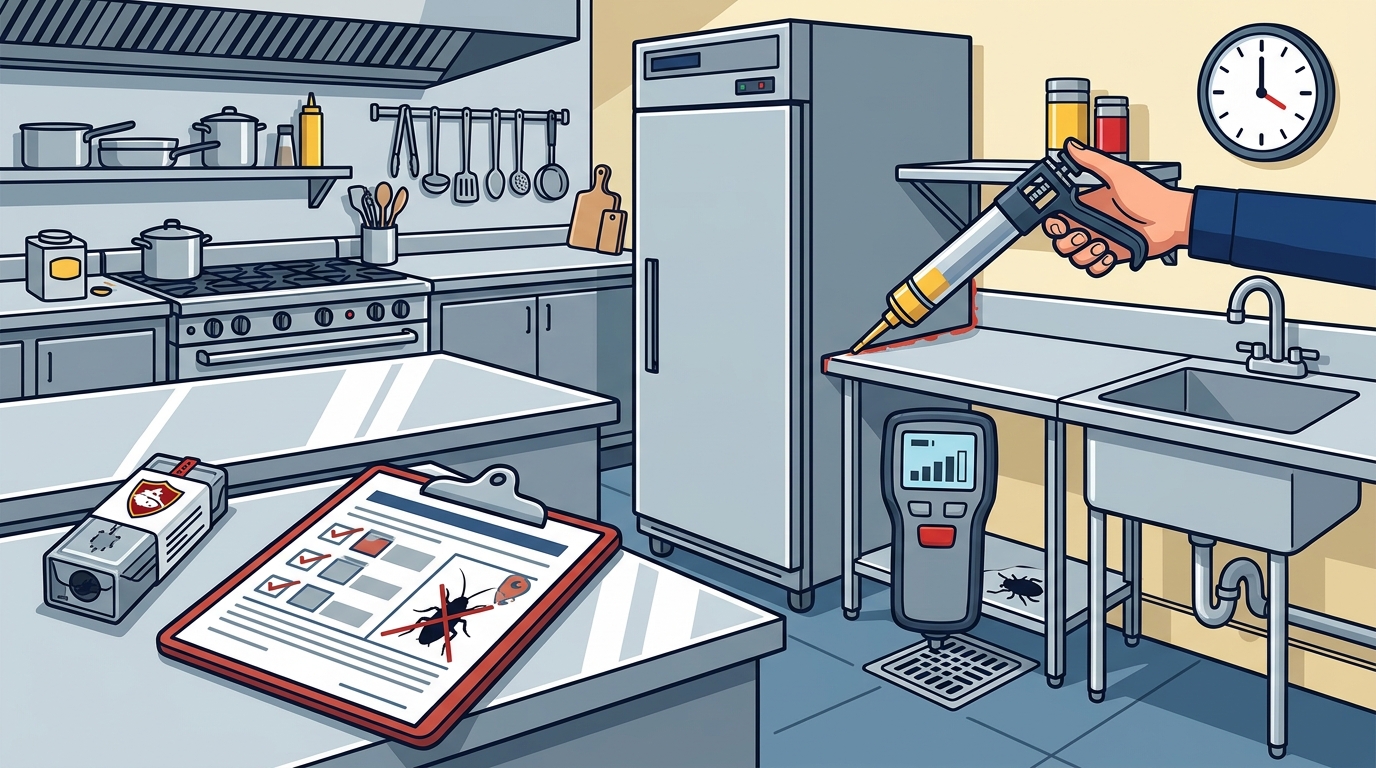
Rodents and insects can enter through gaps as small as a quarter-inch. Check around utility lines, pipe penetrations, and door frames. Data from the EPA indicates that structural gaps are the primary vector for rodent entry in commercial buildings. Seal any visible cracks with steel wool and caulk or metal flashing. This physical barrier is the first line of defense.
Isolate Active Zones
If you spot any signs of activity, such as droppings or gnaw marks, isolate that area immediately. Do not attempt to clean the area yet, as this may destroy evidence needed for proper treatment planning. Instead, restrict access to that zone to prevent cross-contamination. This isolation strategy is critical for maintaining the integrity of the rest of your kitchen during the emergency phase.
Phase 2: Sanitation and Exclusion Tactics
Sanitation is the most powerful tool in pest control. Pests are attracted to food, water, and shelter. Removing these elements starves them out and makes your facility less attractive to invaders.
Deep Clean Critical Areas
Focus on areas that are typically overlooked. This includes the tops of shelving units, behind refrigeration units, and inside wall voids where pipes enter. FDA FSMA standards require that food processing areas be kept free of pest harborage sites. Use a degreaser to remove built-up grime from floors and walls, as this organic matter can sustain insect populations even when food is stored properly.
Manage Waste Effectively
Garbage is a magnet for pests. Ensure that all trash cans have tight-fitting lids and are emptied frequently. If your emergency protocol involves a late-night inspection, ensure that no trash is left in the kitchen overnight. Transfer all waste to the external dumpster immediately after closing. This simple step removes the primary food source for cockroaches and rodents.
Phase 3: Documentation for Compliance
In the event of an inspection, documentation is your best defense. Inspectors look for proof that you are actively managing pest risks, not just reacting to problems.
Maintain Service Logs
Keep a detailed log of all pest control activities. This should include dates, technician names, treatments applied, and areas serviced. QualityPro certification standards emphasize the importance of accurate record-keeping for demonstrating compliance. If you have had recent service, ensure that the most recent report is readily available for the inspector.
Visual Proof of Exclusion
Take before and after photos of any repairs made to your facility. Document the sealing of gaps, the installation of door sweeps, and the repair of screens. This visual evidence shows a proactive approach to pest prevention. It demonstrates to inspectors that you are investing in the structural integrity of your kitchen.
Phase 4: Professional Intervention
When time is short, professional intervention is often the only viable option. DIY methods are rarely sufficient for commercial infestations and can sometimes worsen the problem by scattering pests.
Engage a Tactical Partner
Choose a pest control provider that understands the regulatory landscape of New York City. Broadway Pest Services specializes in tactical pest control for commercial clients, offering same-day response capabilities. Their approach is designed to be discreet and compliant, ensuring that treatments do not disrupt your operations or violate health codes.
Request a Pre-Inspection Audit
If you have an inspection scheduled, request a pre-inspection audit from your pest control provider. They can identify potential problem areas that you might miss and provide immediate remediation. This proactive step can prevent a failing grade and protect your business reputation.
Sector-Specific Preparations
Different commercial sectors face unique pest challenges. Tailoring your emergency protocol to your specific industry is essential for success.
| Sector | Primary Threat | Key Compliance Focus | Recommended Action |
|---|---|---|---|
| Restaurants | Cockroaches & Rodents | DOH A-Grade Protection | Kitchen-safe IPM programs |
| Hotels | Bed Bugs | Reputation Defense | Discreet detection protocols |
| Food Processing | Contamination | FDA/AIB Audit Readiness | Zero-tolerance monitoring |
| Property Management | Tenant Complaints | HPD Violation Defense | Documented IPM logs |
Key Takeaways
- Cost of Failure: A single DOH violation can cost more than a year of pest control services, making prevention a financial imperative.
- IPM Definition: Integrated Pest Management is a strategic approach that minimizes health and environmental risks while effectively controlling pests.
- Structural Integrity: Sealing entry points is the most effective long-term strategy for preventing rodent intrusion in commercial buildings.
- Documentation: Detailed service logs and visual proof of repairs are critical for demonstrating compliance during health inspections.
- Professional Response: Same-day professional intervention is often necessary for emergency situations to ensure rapid and compliant resolution.
- Sanitation Priority: Removing food and water sources is the most powerful tool in starving out pest populations.
- Independence Matters: Working with an independently owned provider like Broadway Pest Services ensures consistent standards and accountability.
Frequently Asked Questions
What is the most common reason for failing a DOH inspection?
The most common reason is the presence of live pests or evidence of pest activity, such as droppings or gnaw marks, in food preparation areas.
How quickly can a pest control company respond to an emergency?
Many NYC providers, including Broadway Pest Services, offer same-day response times for commercial clients to address urgent issues before inspections.
Is it safe to use chemical treatments during a health inspection?
Only EPA-approved pesticides labeled for use in food handling areas should be used. Professional technicians ensure that all treatments comply with local health codes.
What is the role of IPM in pest control?
IPM is a holistic strategy that focuses on long-term prevention and monitoring, using a combination of techniques to manage pest populations sustainably.
How do I prepare my kitchen for an unannounced inspection?
Ensure all areas are clean, trash is removed, and all entry points are sealed. Keep your pest control service logs readily available for the inspector.
Can bed bugs affect a restaurant's health grade?
While bed bugs are primarily a hospitality concern, they can impact a hotel's restaurant reputation. Reviews on platforms like TripAdvisor show that one bed bug report can significantly reduce revenue.
What should I do if I find pests before an inspection?
Isolate the area, do not clean it yet, and contact a professional pest control provider immediately for an emergency assessment and treatment.
Secure Your Compliance
Do not leave your business reputation to chance. An emergency pest control response protocol is not just about compliance; it is about protecting your livelihood. Contact Broadway Pest Services today to deploy a free assessment and ensure your facility is ready for any inspection. With over 50 years of experience and a commitment to tactical, compliant pest management, we are your partner in maintaining a safe and healthy environment.