

Food safety audits are no longer just compliance checkboxes. They are financial gatekeepers. A single failed audit can trigger immediate supply chain disruptions, costly rework, and long-term brand erosion. For food processing facilities aiming for SQF or BRC certification, the documentation of pest management activities is not merely an administrative task. It is a critical asset that directly influences audit outcomes and operational continuity. Proactive documentation transforms pest control from a reactive cost center into a strategic risk mitigation tool. (Broadway Pest Services Urban)
Why Documentation Drives Audit Success
Auditors do not just inspect for the absence of pests. They inspect for the presence of control. The core principle of modern food safety standards is that if it is not documented, it did not happen. This axiom holds true for Integrated Pest Management (IPM) programs. Auditors review service logs, trap maps, and corrective action reports to verify that the pest management program is active, effective, and continuously improved.
Proactive documentation means recording data before a problem becomes a crisis. This includes regular trend analysis, seasonal adjustment notes, and preventive maintenance records for exclusion devices. When an auditor sees a well-maintained digital log, they see a facility that understands risk. This builds trust and reduces the likelihood of major non-conformances. Conversely, gaps in documentation are often interpreted as gaps in control, leading to immediate corrective actions or even audit failure.
For facilities managed by experts like Broadway Pest Services, the emphasis is on creating a paper trail that withstands scrutiny. This involves detailed records of chemical usage, trap locations, and any deviations from the standard operating procedure. The goal is to demonstrate that the facility is not just reacting to pests, but actively managing the environment to prevent them.
SQF Code Documentation Standards
The SQF Code, developed by the Global Food Safety Initiative (GFSI), places a heavy emphasis on the integrity of the food safety plan. For pest management, SQF requires a documented IPM program that is reviewed and updated regularly. The documentation must include trap locations, types of bait used, and the frequency of inspections.
SQF auditors look for evidence that the pest management program is integrated into the broader food safety plan. This means that pest data must be reviewed by the food safety team during management reviews. Any trends indicating increased pest activity must trigger a root cause analysis and corrective action. This proactive approach is what separates compliant facilities from those that are merely surviving audits.
Furthermore, SQF requires that all pest control activities are performed by qualified personnel. This includes maintaining records of technician certifications and training. The documentation must also reflect the use of approved materials and adherence to label directions. Any deviation from the approved plan must be documented and justified. This level of detail ensures that the facility is not just compliant, but also demonstrating a commitment to continuous improvement.
BRCGS Protocol Alignment
BRCGS (Brand Reputation through Compliance of Global Standards) has updated its protocols to align more closely with other GFSI benchmarks. The BRCGS Food Safety Standard requires a documented pest control program that is risk-based. This means that the frequency and intensity of pest management activities must be based on the risk profile of the facility.
BRCGS auditors pay close attention to the accuracy of trap maps and the consistency of service reports. They look for evidence that the pest management program is effective in preventing pest access and harborage. Documentation must show that corrective actions are taken promptly when pests are detected. This includes records of exclusion repairs, sanitation improvements, and any changes to the pest management plan.
Another critical aspect of BRCGS is the verification of pest control activities. This involves regular internal audits of the pest management program to ensure it is being followed correctly. Documentation of these internal audits is essential for demonstrating due diligence. Facilities that maintain rigorous records of their internal verification processes are better positioned to pass BRCGS audits with flying colors.
Calculating the ROI of Proactive Records
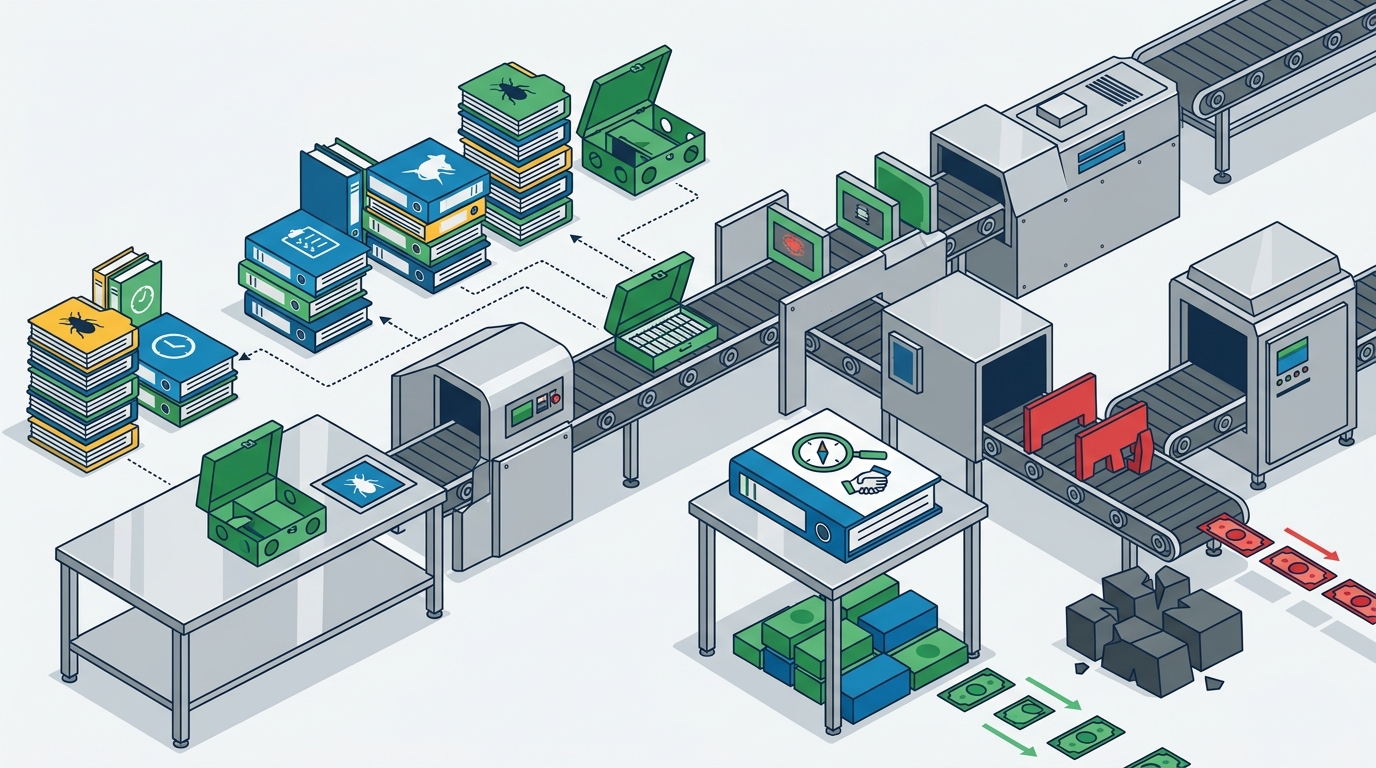
The return on investment (ROI) of proactive pest management documentation is often overlooked. However, the financial implications of poor documentation are significant. A failed audit can result in the loss of major customers, costly rework, and potential legal liabilities. In contrast, a successful audit maintains supply chain integrity and protects brand reputation.
Proactive documentation reduces the time and cost associated with audit preparation. When records are organized and digital, auditors can review them efficiently. This reduces the burden on internal staff and allows them to focus on core operations. Additionally, proactive documentation helps identify trends early, allowing for preventive measures that are far cheaper than reactive treatments.
Consider the cost of a single major pest incident. A rodent infestation in a food processing plant can lead to product recalls, facility shutdowns, and extensive cleaning costs. By maintaining detailed records of exclusion efforts and monitoring, facilities can prevent these incidents from occurring. The cost of a professional pest management service is negligible compared to the potential losses from a major pest event.
Moreover, proactive documentation supports continuous improvement. By analyzing pest data over time, facilities can identify weak points in their infrastructure and address them before they become problems. This strategic approach to pest management not only ensures compliance but also enhances operational efficiency. For more insights on how professional services can support your facility, visit the Broadway Pest Services About page.
SQF vs BRC Documentation Nuances
While SQF and BRCGS share many similarities in their documentation requirements, there are subtle differences that facilities must navigate. Understanding these nuances is crucial for maintaining compliance across multiple standards.
| Feature | SQF Code Requirements | BRCGS Food Safety Requirements |
|---|---|---|
| Trap Mapping | Must be accurate and updated regularly | Must be risk-based and clearly displayed |
| Service Logs | Detailed records of all activities | Must include corrective actions and trends |
| Management Review | Pest data must be reviewed by food safety team | Pest program effectiveness must be verified |
| Technician Qualifications | Certification records required | Competency evidence required |
| Internal Audits | Required for the entire food safety plan | Specific focus on pest control effectiveness |
Facilities certified under both standards must ensure that their documentation satisfies the stricter of the two requirements in any given area. This often means maintaining more detailed records than either standard strictly mandates. The goal is to create a robust documentation system that is flexible enough to meet the evolving requirements of both SQF and BRCGS.
Key Takeaways
- Documentation is Proof of Control: Auditors verify the existence of a pest management program through detailed records, not just visual inspections.
- SQF Requires Integration: Pest data must be integrated into the broader food safety plan and reviewed by the food safety team.
- BRCGS Emphasizes Risk: Documentation must reflect a risk-based approach to trap placement and service frequency.
- ROI is Tangible: Proactive documentation prevents costly audit failures, product recalls, and supply chain disruptions.
- Digital Records Enhance Efficiency: Digital service logs reduce preparation time and improve data accessibility for auditors.
- Technician Qualifications Matter: Both standards require proof of technician competency and certification.
- Continuous Improvement: Trend analysis from documentation drives preventive measures and operational efficiency.
Frequently Asked Questions
What is the primary purpose of pest management documentation in SQF audits?
The primary purpose is to demonstrate that the pest management program is active, effective, and continuously improved. It serves as evidence that the facility is managing pest risks proactively rather than reactively.
How does BRCGS differ from SQF in pest documentation requirements?
BRCGS places a stronger emphasis on risk-based trap placement and the verification of program effectiveness through internal audits. SQF focuses more on the integration of pest data into the overall food safety management system.
Why is digital documentation preferred over paper logs?
Digital documentation reduces the risk of lost or damaged records, allows for easier trend analysis, and speeds up the audit process. It also ensures that data is accessible in real-time for corrective actions.
What happens if a facility fails to provide adequate pest documentation?
Failure to provide adequate documentation can result in major non-conformances, which may lead to audit failure, loss of certification, and the loss of major customers who require GFSI certification.
How often should pest management records be reviewed?
Pest management records should be reviewed regularly, typically during monthly or quarterly management reviews. This ensures that trends are identified and corrective actions are taken promptly.
Can a facility use a third-party provider for pest management documentation?
Yes, facilities can use third-party providers. However, the facility remains responsible for ensuring that the documentation meets the specific requirements of SQF or BRCGS. The provider must be qualified and the records must be accurate and complete.
What is the cost of a failed SQF or BRC audit?
The cost can be substantial, including re-audit fees, product recalls, lost sales, and potential legal liabilities. It can also damage brand reputation and lead to the loss of key customer contracts.
How does proactive pest management reduce operational costs?
Proactive pest management prevents costly infestations that require extensive cleaning and product disposal. It also reduces the time spent on audit preparation and minimizes the risk of supply chain disruptions.
Secure Your Compliance
Don't leave your food safety certification to chance. Ensure your pest management documentation is robust, accurate, and compliant with SQF and BRCGS standards. Partner with a provider that understands the nuances of these critical audits. Broadway Pest Services offers specialized documentation support for food processing facilities. Contact us today to schedule your assessment and protect your bottom line.